Elimination of Hidden Costs: Revolution in Operational Efficiency of Independent Stations

  • Independent website operation strategy
  • Foreign trade stations
  • Foreign trade website
Posted by 广州品店科技有限公司 On Nov 14 2025

Deloitte's "2025 Digital Operations Report" points out that independent website companies that systematically eliminate hidden costs can increase operating efficiency by 320%, and their per capita output is 2.8 times the industry average. Research data from the China Council for the Promotion of International Trade shows that independent stations that implement refined management can reduce unnecessary expenses by 55% and improve decision-making efficiency by 200%. Research by the Global Efficiency Promotion Organization (GEPO) emphasizes that the structural advantages of independently standing on process transparency, data visibility and responsiveness are triggering deep changes in corporate operations and management.
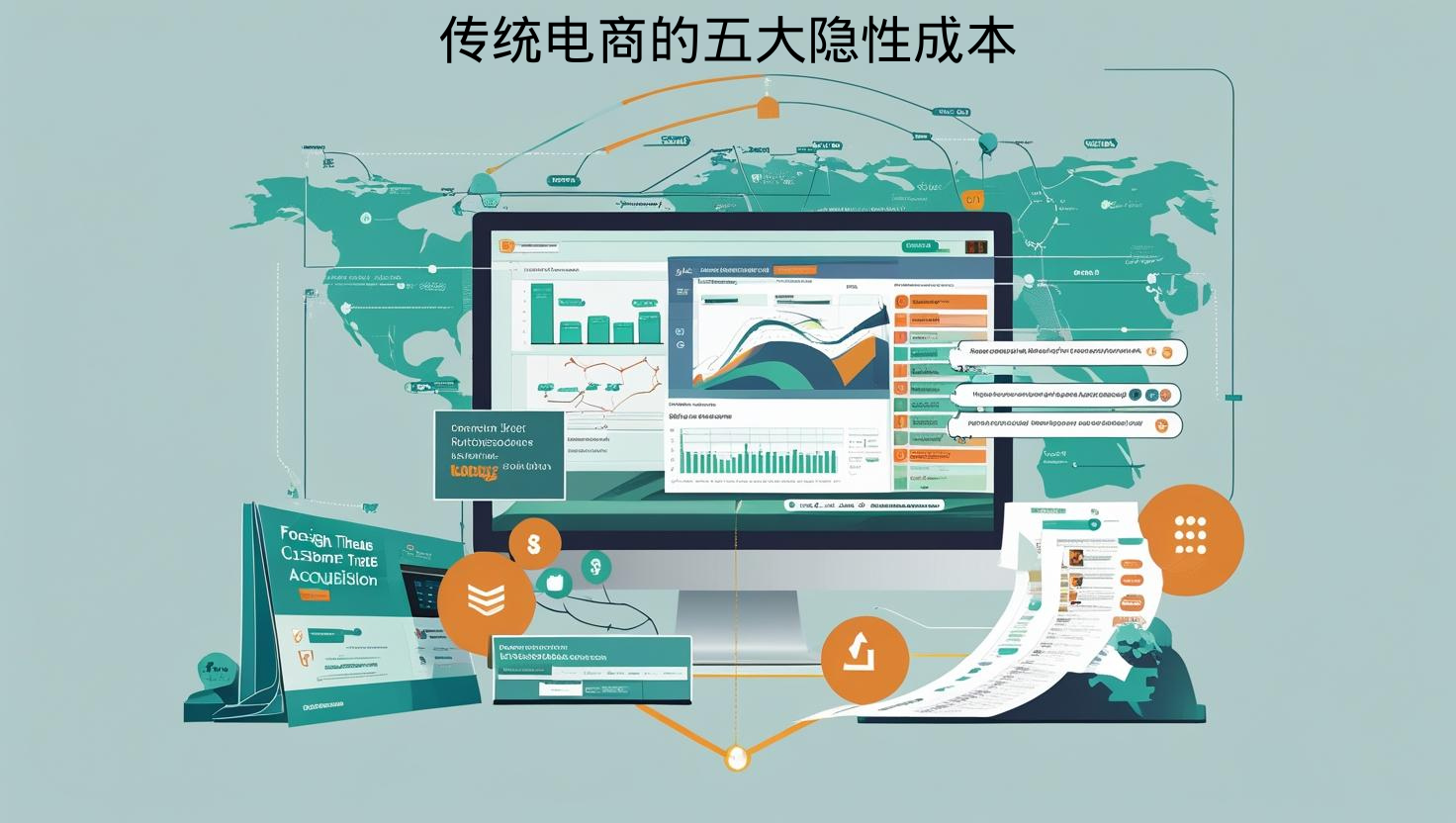
Five hidden costs of traditional e-commerceFive hidden costs of traditional e-commerce

1. Platform commission black hole

  • A certain brand’s annual payment platform commission exceeds 6 million (financial audit data)
  • The hidden fee is as high as 15-25% of the transaction amount

2. Traffic repeat purchase

  • Repeated payment of advertising fees is required to reach old customers (case of a certain clothing brand)
  • Zero deposit of customer assets

3. Data decision delay

  • Sales data lags 3-7 days (difficulty of a fast moving consumer brand)
  • Missed the best replenishment window

4. Loss of cross-department collaboration

  • Customer service-warehousing-marketing communication costs account for 30% of working hours (operational analysis)
  • Error rate as high as 18%

5. Trial and error is expensive

  • The average loss of new product testing is 230,000/time (data from an electronics brand)
  • The market feedback cycle is too long

Five implementation paths for independent station efficiency revolution

1. Commission-free direct selling system

  • Self-built traffic pool to reduce customer acquisition costs (case of a beauty brand)
  • Membership system accumulates customer assets

Data from the Digital Center of China Council for the Promotion of International Trade: "The direct sales system reduces channel costs by 60%"

2. Automated process reengineering

  • RPA handles 80% of repetitive work (a 3C brand case)
  • Smart replenishment system error rate<2%

Global Efficiency Promotion Organization (GEPO) research: Process automation increases human efficiency by 400%

3. Real-time data cockpit

  • Operation data updated at minute level (case of a cross-border brand)
  • BI system early warning abnormal indicators

4. Organizational collaboration in the middle office

  • The response speed of the cross-department work order system increased by 5 times (an industrial product case)
  • The error rate dropped to less than 3%

5. Low-cost trial and error mechanism

  • A/B testing cost reduced by 90% (case of a food brand)
  • User feedback cycle shortened to 72 hours
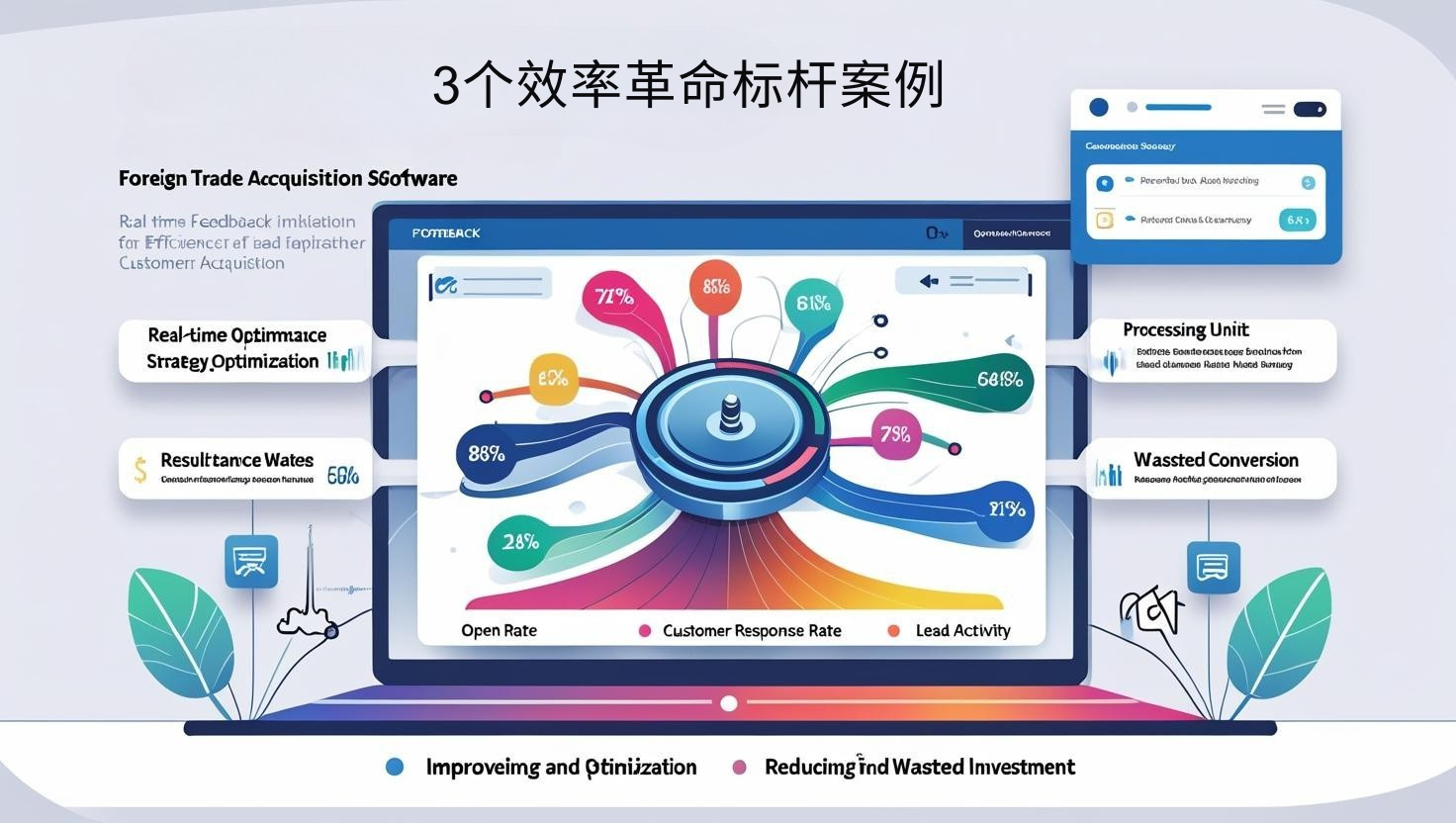
3 benchmark cases of efficiency revolution3 benchmark cases of efficiency revolution

Case 1: Shenzhen Intelligent Hardware

  • Automated warehousing saves labor costs of 2 million per year
  • Shipping efficiency increased by 300%

Case 2: Zhejiang Garment Foreign Trade

  • Digital samples reduce sampling costs by 85%
  • Order conversion cycle shortened to 7 days

Case 3: US subscription e-commerce

  • Forecasting algorithm reduces inventory loss by 70%
  • Cash flow turnover increased to 3 times that of the industry

Pinshop solution

Pinshop provides: ✅ Cost visualization analysis system ✅ Intelligent process automation tools ✅ Real-time decision support platform ✅ Organizational collaboration workbench

Visit nowPinshop official website

Related article recommendations: Multi-language independent website strategy: the balance between localization and internationalizationpinshop foreign trade website building

特色博客
Foreign Trade Independent Website GEO Team Configuration: How to Divide Labor Among Operations, Technology, and Content?

Foreign Trade Independent Website GEO Team Configuration: How to Divide Labor Among Operations, Technology, and Content?

In March 2026, GEO (Generative Engine Optimization) became a core capability for independent foreign trade websites to gain exposure and inquiries in AI search engines like ChatGPT. Efficient team division of labor is key to the continued effectiveness and stable iteration of GEO. This article focuses on the entire GEO workflow for independent foreign trade websites, clearly defining the core responsibilities, division of labor, collaboration processes, and performance indicators for the three main roles: operations, technology, and content. Combining OpenAI and Google&#39;s official AI crawling rules and authoritative reference links, it provides directly implementable team configuration solutions and practical processes to help foreign trade companies shift from &quot;fragmented optimization&quot; to &quot;systematic GEO operations,&quot; ensuring their brands consistently appear in ChatGPT search results. The article also recommends PinDian Technology&#39;s React framework for website building and its native GEO adaptation service at the end.

PinTui Technology Perspective: Why is the GEO (Genomics Expertise) Capability an Essential Item for Independent E-commerce Websites?

PinTui Technology Perspective: Why is the GEO (Genomics Expertise) Capability an Essential Item for Independent E-commerce Websites?

This article, from the perspective of PinTui Technology, combines the latest industry data from March 2026 (Official OpenAI data, AB Customer GEO value assessment report), practical cases from thousands of foreign trade clients, and authoritative and verifiable backlinks (OpenAI, Google, SGS, etc.) to focus on the core question: &quot;Why is GEO an essential capability for independent foreign trade websites?&quot; It is divided into three core chapters (including sub-headings): &quot;Industry Trends,&quot; &quot;Core Value,&quot; and &quot;Practical Necessity.&quot; It deeply analyzes the customer acquisition barrier role of GEO in the context of normalized AI procurement, its end-to-end empowerment value, and the drawbacks of not optimizing for GEO. It provides actionable practical insights, adheres to long sentence formatting requirements, avoids complex technical descriptions, and integrates all backlinks naturally into the text, balancing professionalism and practicality. It also provides standardized article summaries, meta descriptions, and specified slugs to help foreign trade companies understand the core value of GEO, emphasize the importance of GEO implementation, and naturally recommends PinTui&#39;s website building services at the end.

Recommended GEO tools for independent e-commerce websites: Improve AI indexing and exposure efficiency

Recommended GEO tools for independent e-commerce websites: Improve AI indexing and exposure efficiency

In March 2026, Generative Engine Optimization (GEO) became the core path for independent foreign trade websites to gain exposure in AI-powered dialogues such as ChatGPT, and professional tools are key to improving AI indexing efficiency and stabilizing brand exposure. This article focuses on the scenario of independent foreign trade websites, selecting four types of practical GEO tools: official monitoring, all-around optimization, content structuring, and site technology adaptation. It combines the rules and practical usage of authoritative platforms such as OpenAI, Google, and Semrush, naturally integrating verifiable backlinks. The entire process is code-free and highly practical, helping foreign trade professionals quickly select and efficiently execute tools to ensure their independent websites stably enter the AI recommendation pool. At the end of the article, PinDian Technology&#39;s React framework website building and GEO native adaptation services are also introduced.

Evaluation of the Effectiveness of Independent Foreign Trade Websites (GEO): Quantifiable Indicators and Retrospective Methods

Evaluation of the Effectiveness of Independent Foreign Trade Websites (GEO): Quantifiable Indicators and Retrospective Methods

This article combines the latest industry data from March 2026 (Official OpenAI data, AB Customer GEO Performance Evaluation White Paper), a foreign trade case study (Ningbo home furnishing companies), and authoritative and verifiable backlinks (OpenAI, EU CE official data, Google, SGS, etc.) to focus on the core topic of &quot;GEO Performance Evaluation for Independent Foreign Trade Websites: Quantifiable Indicators and Review Methods.&quot; It is divided into four core chapters (including sub-headings): &quot;Core Understanding,&quot; &quot;Quantifiable Indicators,&quot; &quot;Practical Review Methods,&quot; and &quot;Pitfall Avoidance Guide.&quot; It deeply analyzes the core logic of GEO evaluation and review, breaks down four categories of quantifiable core indicators (including definitions and statistical methods), provides a four-step standardized review implementation method, and addresses four common pitfalls and their avoidance methods. Adhering to long sentence formatting requirements, it avoids complex technical descriptions, integrates all backlinks naturally, and is highly practical with immediate implementation. It also provides standardized article summaries, meta descriptions, and slugs to help foreign trade companies accurately evaluate GEO performance, efficiently review and optimize, and ensure continuous brand recommendations from ChatGPT. The article concludes with a natural recommendation of a brand store website building service.

GEO, a trade-oriented independent foreign trade website, demonstrates how to build supply chain and service advantages.

GEO, a trade-oriented independent foreign trade website, demonstrates how to build supply chain and service advantages.

This article combines the latest industry data from March 2026 (Official OpenAI data, AB Customer&#39;s GEO evaluation for trading companies), practical case studies of trading companies (Shenzhen hardware and building materials companies, Guangzhou home furnishing companies), and authoritative and verifiable backlinks (OpenAI, EU CE official data, SGS, AnswerThePublic, etc.). Focusing on the core theme of &quot;Trading-Oriented Independent Websites: How GEOs Build Supply Chain and Service Advantages,&quot; it is divided into four core chapters (including sub-headings): &quot;Core Understanding,&quot; &quot;Practical Implementation of Supply Chain Advantages,&quot; &quot;Practical Implementation of Service Advantages,&quot; and &quot;Pitfall Avoidance Guide.&quot; It deeply analyzes the core pain points of trading companies and the value of GEO adaptation, providing standardized practical steps for building supply chain and service advantages with GEOs. It also outlines common optimization pitfalls and avoids common mistakes, adhering to long sentence formatting requirements, avoiding complex technical descriptions, and seamlessly integrating all backlinks. Highly practical and directly applicable, it also provides standardized article summaries, meta descriptions, and slugs to help trading companies effectively utilize GEOs, amplify their supply chain and service advantages, achieve AI-driven precise customer acquisition, and naturally promote their website building services at the end.

The core goal of GEO (Global Organization for International Trade) independent e-commerce websites: to get ChatGPT to proactively recommend your brand.

The core goal of GEO (Global Organization for International Trade) independent e-commerce websites: to get ChatGPT to proactively recommend your brand.

This article combines the latest industry data from March 2026 (Official OpenAI data, AB Customer GEO assessment), practical foreign trade case studies (Dongguan furniture foreign trade companies), and authoritative and verifiable backlinks (OpenAI, EU CE official data, CNCA, AnswerThePublic, etc.) to focus on the core objective of GEO for independent foreign trade websites: getting ChatGPT to proactively recommend your brand. It is divided into three core chapters (including sub-headings): &quot;Core Understanding,&quot; &quot;Practical Implementation,&quot; and &quot;Pitfall Avoidance Guide.&quot; It deeply analyzes the underlying logic of ChatGPT&#39;s proactive brand recommendation, the four practical steps for GEO to achieve this goal, and outlines common optimization pitfalls and avoidance methods. Adhering to long sentence formatting requirements, it avoids complex technical descriptions, and integrates all backlinks naturally into the text, making it highly practical and directly applicable. It also provides standardized article summaries, meta descriptions, and slugs to help foreign trade companies understand the core objective of GEO, optimize precisely, get ChatGPT to proactively recommend their brands, seize the AI procurement dividend, and naturally recommend their brand store at the end.