
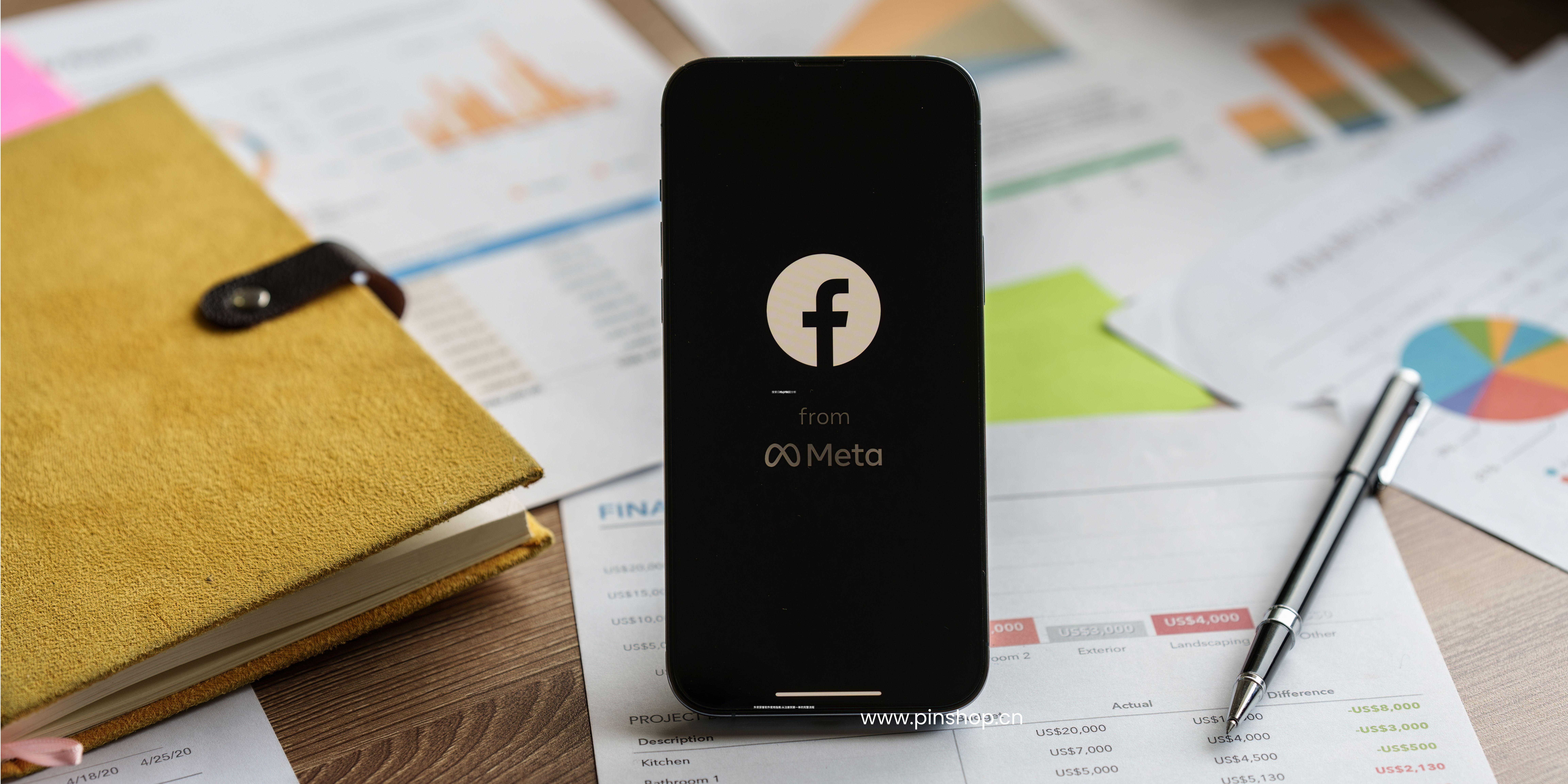
How to connect the independent website with the Facebook homepage?

  • Independent website marketing and promotion
  • Independent website operation strategy
  • Foreign trade stations
Posted by 广州品店科技有限公司 On Aug 13 2025

1. The significance of connecting an independent website with a Facebook homepage

In today's digital marketing era, seamlessly integrating social media with your own website has become a crucial tool for boosting brand exposure, increasing customer engagement, and driving sales conversions. As one of the world's largest social platforms, Facebook boasts a large and active user base. By integrating Facebook pages with your own website, businesses can:

  • Enhance brand exposure : Attract more traffic through Facebook and improve brand visibility in the global market.

  • Improve customer interaction : Directly interact with customers through social platforms to enhance customer trust and loyalty.

  • Improve conversion rate : Direct traffic to the independent website through Facebook, increasing the chances of purchase and consultation.

By properly connecting the independent website with the Facebook homepage, companies can not only increase interaction on the social platform, but also further guide customers to the independent website for purchases and other conversion behaviors.

2. How to connect the Facebook homepage with the independent website?

1. Link your Facebook page to your website

The most basic operation is to add a link to your independent website directly on your Facebook homepage , ensuring that potential customers can directly visit your independent website by clicking on it. This not only makes it convenient for users, but also helps to increase the traffic of your independent website .

  • Place a link to your independent website : Embed a link to your independent website in your Facebook homepage’s description , posts , and ads to ensure that visitors can easily click to access it.

  • CTA button : Facebook provides CTA button functions such as "Buy Now" and "Contact Us". Companies can set buttons to point to relevant pages of the independent site, such as product pages, service consultation pages, etc.

How to measure:

  • Use Google Analytics to analyze Facebook traffic sources and view the behavior and conversion of visitors from Facebook homepages on the independent website.

2. Use Facebook ads to direct traffic to your website

Facebook ads are a powerful tool for precision marketing. Through Facebook ads , businesses can run ads based on the interests, behaviors, and geographic locations of their target audiences, directing traffic to their independent websites and increasing conversion rates.

  • Precision targeting : Targeted delivery based on customer interests, age, gender and other information, accurately push ads to potential customers.

  • Ad type : Use image ads, video ads, carousel ads, and other forms to display products or services, attracting users to click on links and visit the independent website.

How to measure:

  • Evaluate advertising effectiveness through Facebook advertising’s click-through rate (CTR) , conversion rate , and ROI , and continuously optimize advertising strategies.

3. Use Facebook pixel to track and optimize ad performance

The Facebook pixel is an analytics tool provided by Facebook that helps businesses track visitor behavior and provide optimization suggestions for advertising. By installing the Facebook pixel on your website, businesses can accurately analyze visitor behavior patterns and conversion data.

  • Tracking conversion events : such as clicking the purchase button, adding to the shopping cart, etc., can help companies understand the actual effect of advertising.

  • Dynamic advertising : Deliver personalized ads based on visitors’ browsing history and behavior, enhancing ad relevance and conversion rates.

How to measure:

  • Use Facebook Ads Manager to monitor conversion events tracked by pixels, adjust advertising strategies, and optimize ROI.

4. Integrate Facebook social plug-in into your independent website

Integrating Facebook social plug-ins on your independent website allows users to interact with your brand more conveniently, such as liking, sharing, and commenting. Through social sharing, companies can increase brand exposure and attract more user attention.

  • Social Sharing Buttons : Add Facebook sharing buttons to your product pages, blog posts, and promotions to encourage customers to share your brand content.

  • Social Login : Use Facebook account to log in on your independent website to simplify the customer registration and login process, and increase user engagement and conversion rate.

How to measure:

  • Use social media analytics tools and your own website’s analytics tools to track shares and social media interactions to evaluate the effectiveness of your social plugins.
How to connect Facebook homepage with independent website?

3. How to improve the social media conversion effect of independent websites?

1. Improve the SEO effect of independent sites

Social media traffic is closely related to SEO optimization. Optimizing your independent website's SEO can improve your independent website's ranking in search engines and further increase the effectiveness of social media traffic.

  • Keyword optimization : Based on the data from social media traffic, optimize the keyword layout of the independent website page to ensure that search engines can recognize the page content.

  • High-quality content : Publish original, high-quality articles or product introductions related to social platform content to increase page authority.

2. Provide a user-friendly conversion path

After driving traffic from social media, ensure your website provides a clear conversion path. A clear CTA button, a streamlined checkout process, and an optimized user experience can reduce customer churn and increase conversion rates for social media traffic.

  • Simplify the purchasing process : Reduce unnecessary steps to ensure customers can complete their purchase quickly.

  • Guide customer operations : Through clear calls to action, guide customers to complete operations such as registration, purchase, and consultation.

IV. Advice and Support from Authoritative Institutions

  1. Google Ads
    The success of Google Ads depends not only on precise audience targeting, but also on ensuring a high degree of consistency between the ad content and the landing page to increase conversion rates.

  2. Baidu Search Resource Platform
    Baidu emphasizes that the integration of social media and websites needs to ensure the relevance and optimization of content, and improve advertising effectiveness through regular data analysis and feedback.

  3. W3C (World Wide Web Consortium)
    W3C recommends that the design of independent websites should comply with accessibility standards to ensure that users on different devices and platforms can access them smoothly, thereby increasing traffic and conversion rates.

5. How to optimize the integration of independent website and Facebook homepage through PinShop?

PinShop provides an easy-to-use website building platform to help businesses optimize the integration of their independent websites and Facebook homepages :

  • Social media integration : PinShop supports one-click integration of social sharing buttons and social media login to enhance the interaction between the independent site and social platforms.

  • Responsive design : Ensure that the independent website can display smoothly on both mobile and desktop terminals, and improve the conversion rate of Facebook traffic.

  • Automated marketing tools : PinShop's integrated automation tools help companies achieve precise advertising and social media management, improving overall marketing effectiveness.

Through PinShop, companies can efficiently manage the integration of independent websites and Facebook homepages to increase traffic and conversion effects.


Conclusion and CTA

By properly integrating your Facebook page with your independent website, businesses can increase brand exposure, attract more traffic, and boost conversions. PinShop provides a comprehensive website building solution to help businesses optimize the integration of social media and independent websites to improve marketing effectiveness.

Visit PinShop's official website now to learn more about how to optimize the integration of your independent website and Facebook homepage and start improving your brand influence!

Independent station construction

Recommended article: How to attract social media traffic after establishing an independent website?

特色博客
Foreign trade independent station GEO + private domain linkage: Precipitating AI search traffic into long-term customers

Foreign trade independent station GEO + private domain linkage: Precipitating AI search traffic into long-term customers

This article combines the reports of authoritative organizations such as OpenAI, Semrush, Global Sources, etc. in February 2026 and the support of checkable external links to deeply analyze the core logic of the linkage between the independent foreign trade station GEO (generative engine optimization) and the private domain. It breaks the cognitive misunderstanding that "linkage is traffic superposition" and makes it clear that the essence of linkage is the operational closed loop of "traffic → customer → long-term customer". Focusing on practical implementation, it dismantles the four core links of "GEO traffic drainage, site undertaking, private domain traffic drainage, and private domain operation", supporting specific practical skills and foreign trade scenario cases. The entire process is code-free and can be directly copied, focusing on solving the core pain points of difficulty in accumulating AI search traffic, difficulty in conversion, and low repurchase; at the same time, it sorts out four major high-frequency linkage misunderstandings and corrective plans to help foreign trade stations avoid detours and achieve efficient linkage. The article structure is clear, chapters and secondary titles are clearly separated and presented in bold, each line of words fits the requirements of a long sentence, external links are naturally integrated into the article, and the end of the article naturally pushes the product store website building service. It also provides standardized article abstracts, meta descriptions and slugs to help foreign trade companies realize the long-term value of AI search traffic and build core competitiveness through GEO + private domain linkage.

Foreign Trade Independent Website GEO Semantic Optimization: Avoid Keyword Stuffing, Let AI Understand Your Core Value

Foreign Trade Independent Website GEO Semantic Optimization: Avoid Keyword Stuffing, Let AI Understand Your Core Value

This article, combining reports from authoritative institutions such as OpenAI, Semrush, and Global Sources in February 2026 with verifiable backlinks, deeply analyzes the core essence of semantic optimization (GEO, Generative Engine Optimization) for independent foreign trade websites. It dispels the misconception that "semantic optimization is simply about implicitly stuffing keywords," clarifying the core characteristics of AI semantic understanding and the core goals of semantic optimization in 2026. Focusing on practical application, it breaks down the three core optimization dimensions of "content semantics, signal semantics, and page semantics," providing specific practical techniques and foreign trade scenario examples. The entire process is code-free and directly replicable, highlighting the core logic of "not stuffing keywords, but letting AI understand core value." It also identifies four common optimization pitfalls and their corrections, helping foreign trade websites avoid pitfalls and achieve precise optimization. The article has a clear structure, with clearly separated and bolded chapters and subheadings. Each line adheres to long sentence requirements, backlinks are naturally integrated, and the conclusion naturally promotes brand store building services. It also provides standardized article summaries, meta descriptions, and slugs to help foreign trade companies achieve AI-prioritized crawling and precise exposure through GEO semantic optimization, building a competitive independent foreign trade website.

GEO, an independent foreign trade website, embraces a long-term perspective: aiming to become an authoritative foreign trade site recognized by the AI ecosystem.

GEO, an independent foreign trade website, embraces a long-term perspective: aiming to become an authoritative foreign trade site recognized by the AI ecosystem.

This article, drawing on reports from authoritative institutions such as OpenAI, Ahrefs, and Global Sources in February 2026, along with verifiable external links, deeply analyzes the core essence of long-term GEO (Generative Engine Optimization) for independent foreign trade websites. It dispels the misconception that "long-termism means taking it slow" and clarifies the four core standards for authoritative foreign trade websites recognized by the AI ecosystem. Focusing on practical implementation, it breaks down three core paths: "long-term content cultivation, continuous GEO signal optimization, and long-term user experience upgrades," providing specific optimization rhythms, techniques, and monitoring methods. The entire process is code-free and tailored to the foreign trade scenario. It also identifies four common short-term thinking traps and provides corrective solutions to help foreign trade websites avoid pitfalls and persist in long-term value accumulation. The article is clearly structured, with chapters and subheadings clearly separated and bolded. Each line adheres to long sentence requirements, external links are naturally integrated, and the conclusion naturally promotes brand store building services. It also provides standardized article summaries, meta descriptions, and slugs to help foreign trade enterprises build authoritative foreign trade websites recognized by the AI ecosystem through GEO long-termism, achieving long-term stable growth in traffic and performance.

Foreign trade independent website GEO Q&A content: Let AI directly quote your professional answers.

Foreign trade independent website GEO Q&A content: Let AI directly quote your professional answers.

This article, drawing on reports from authoritative institutions such as OpenAI, Ahrefs, and Global Sources in February 2026, and supported by verifiable external links, deeply analyzes the core value and AI referencing logic of GEO (Generative Engine Optimization) Q&A content for independent foreign trade websites, dispelling the misconception that "ordinary FAQs are Q&A content." Focusing on practical application, it breaks down Q&A content selection techniques (three-dimensional selection method), creation guidelines (standard structure, professional requirements, GEO signal implantation), and optimization techniques, providing practical case studies in foreign trade scenarios. The entire process is code-free and directly replicable. It also identifies four common content creation errors and their correction solutions, ensuring the content is prioritized for use by AI platforms like ChatGPT. The article has a clear structure, with clearly separated and bolded chapters and subheadings. Each line adheres to long sentence requirements, external links are naturally integrated, and the conclusion naturally promotes the brand store website building service. It also provides standardized article summaries, meta descriptions, and slugs, helping foreign trade companies leverage GEO Q&A content to make AI a free promoter, increasing site exposure and targeted inquiries.

The division of labor within the GEO team for independent foreign trade websites: How can operations, content, and technology collaborate on AI optimization?

The division of labor within the GEO team for independent foreign trade websites: How can operations, content, and technology collaborate on AI optimization?

This article, drawing on reports from authoritative institutions such as OpenAI, Hugo.com, and Semrush in February 2026, and supported by verifiable external links, deeply analyzes the core principles, role positioning, and collaborative logic of GEO (Generative Engine Optimization) team division of labor for independent foreign trade websites, breaking through the optimization dilemma of "working in silos." Focusing on practical implementation, it breaks down the responsibilities, key points, work standards, and tool applications of the three core roles: operations, content, and technology. The entire process is no-code, tailored to foreign trade scenarios, and incorporates authoritative external links to ensure the division of labor is directly replicable. It also establishes four efficient collaborative mechanisms (process, communication, accountability, and capability collaboration), identifies four high-frequency errors in teamwork and their correction solutions, and presents a clear structure with clearly separated chapters and subheadings in bold, ensuring each line adheres to long sentence requirements. The article concludes with a natural recommendation of a product store building service, while providing standardized article summaries, meta descriptions, and slugs to help foreign trade companies clarify the division of labor within their GEO teams, achieve efficient cooperation among the three roles, promote effective GEO optimization, and seize the high ground of precise traffic in the AI era of foreign trade.

Data-driven diagnostics for independent foreign trade websites (GEO): Evaluating the search exposure effect of AI platforms across 3 dimensions.

Data-driven diagnostics for independent foreign trade websites (GEO): Evaluating the search exposure effect of AI platforms across 3 dimensions.

This article, drawing on reports from authoritative institutions such as OpenAI, Ahrefs, and Hugo.com in February 2026, and supported by verifiable external links, deeply analyzes the core essence of data-driven diagnosis for independent foreign trade websites using Generative Engine Optimization (GEO). It examines the AI platform's search exposure evaluation logic and diagnostic prerequisites, breaking through the predicament of "blind optimization without evidence." Focusing on practical application, it breaks down the three core diagnostic directions: "crawling dimension, exposure dimension, and conversion dimension." Each dimension clearly defines core indicators, data standards, diagnostic methods, anomaly analysis, and optimization solutions. The entire process avoids code-related content, ensuring every line adheres to long sentence requirements. The content is in-depth, practical, and directly replicable. It also outlines four high-frequency errors and their correction solutions during the diagnostic process. The structure is clear, with chapters and subheadings clearly separated and bolded. External links are naturally integrated into the text, and the conclusion naturally promotes the website building service. It also provides standardized article summaries, meta descriptions, and slugs to help foreign trade websites accurately assess AI platform search exposure effects through data-driven diagnosis, pinpoint optimization vulnerabilities, and achieve a dual improvement in AI exposure and inquiry conversion.