How to increase cross-border e-commerce sales through foreign trade website building?

  • The foundation of independent station construction
  • Independent website industry application
  • Foreign trade stations
Posted by 广州品店科技有限公司 On Aug 12 2025
In today's increasingly competitive global e-commerce landscape, cross-border e-commerce has become the preferred method for many companies to expand into international markets. As the foundation of cross-border e-commerce, a website is not only a platform for showcasing products but also a crucial tool for building long-term customer trust and increasing sales conversion rates. A well-optimized website can help companies enhance user experience, expand brand influence, and ultimately drive sales growth. This article will explore how optimizing a website can boost cross-border e-commerce sales and help companies seize opportunities in the global market.

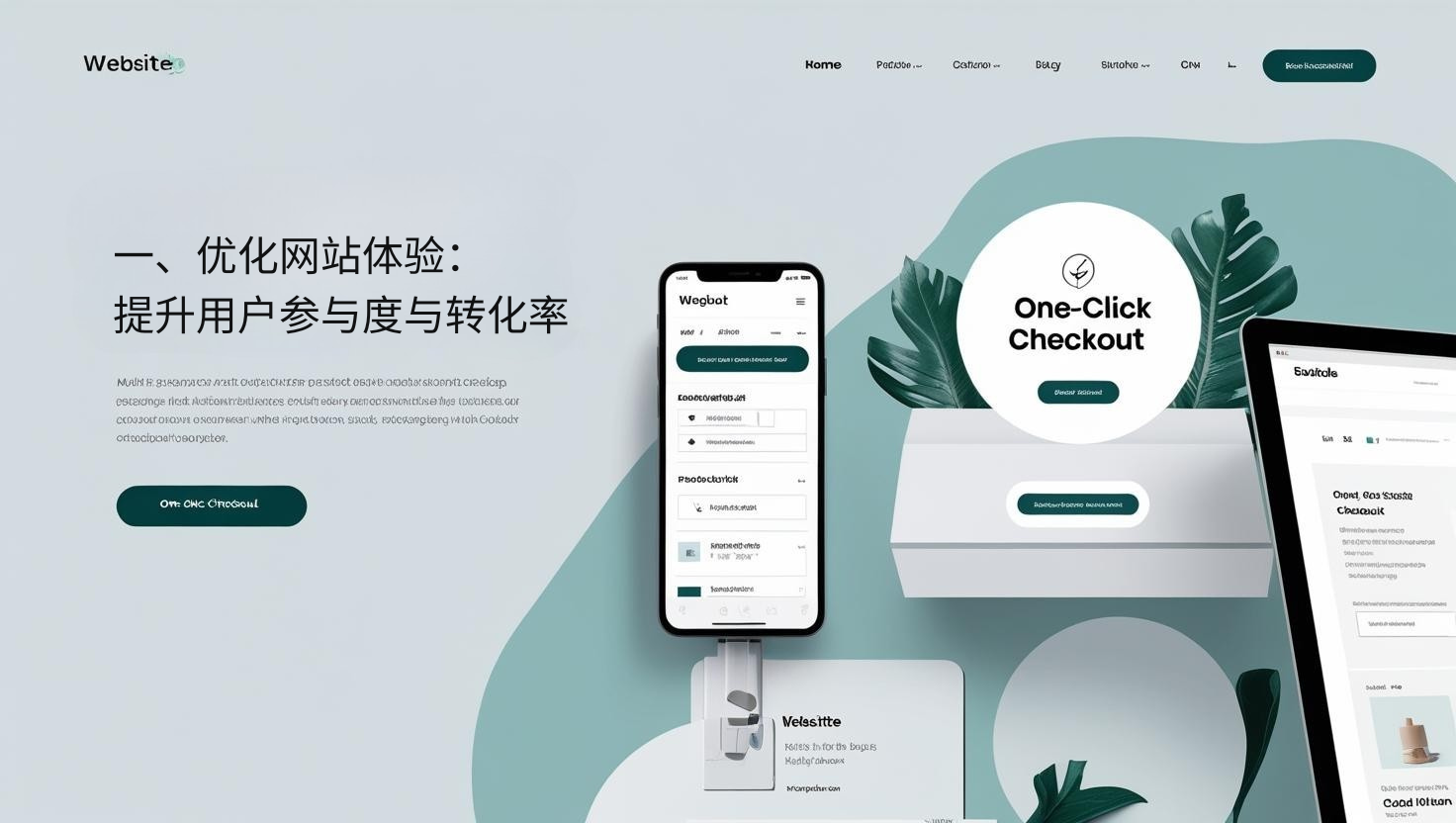
1. Optimizing Website Experience: Improving User Engagement and Conversion Rates

1. Optimizing Website Experience: Improving User Engagement and Conversion Rates

User experience is crucial on any e-commerce website, especially on cross-border e-commerce platforms, where customer purchasing decisions are often influenced by multiple factors. Foreign trade website platforms should provide a seamless user experience, ensuring customers enjoy a smooth browsing, purchasing, and payment process.

  • Responsive design: Ensure the website provides a consistent browsing experience across various devices (mobile phones, tablets, and computers). According to Statista, global mobile e-commerce sales will account for 72.9% of total e-commerce sales in 2023 [Source: Statista]. Therefore, optimizing the mobile user experience is essential.

  • Simplify the checkout process: A complex checkout process is a common cause of shopping cart abandonment. By simplifying the checkout process and providing a "one-click checkout" option, you can significantly increase conversion rates.

  • Multi-language and multi-currency support: Cross-border e-commerce serves global customers. Providing multi-language and multi-currency options can enhance the customer shopping experience and reduce customer dropout due to language barriers or payment issues.
II. Optimizing Payment Processes: Simplifying Payment Challenges in Cross-Border Transactions

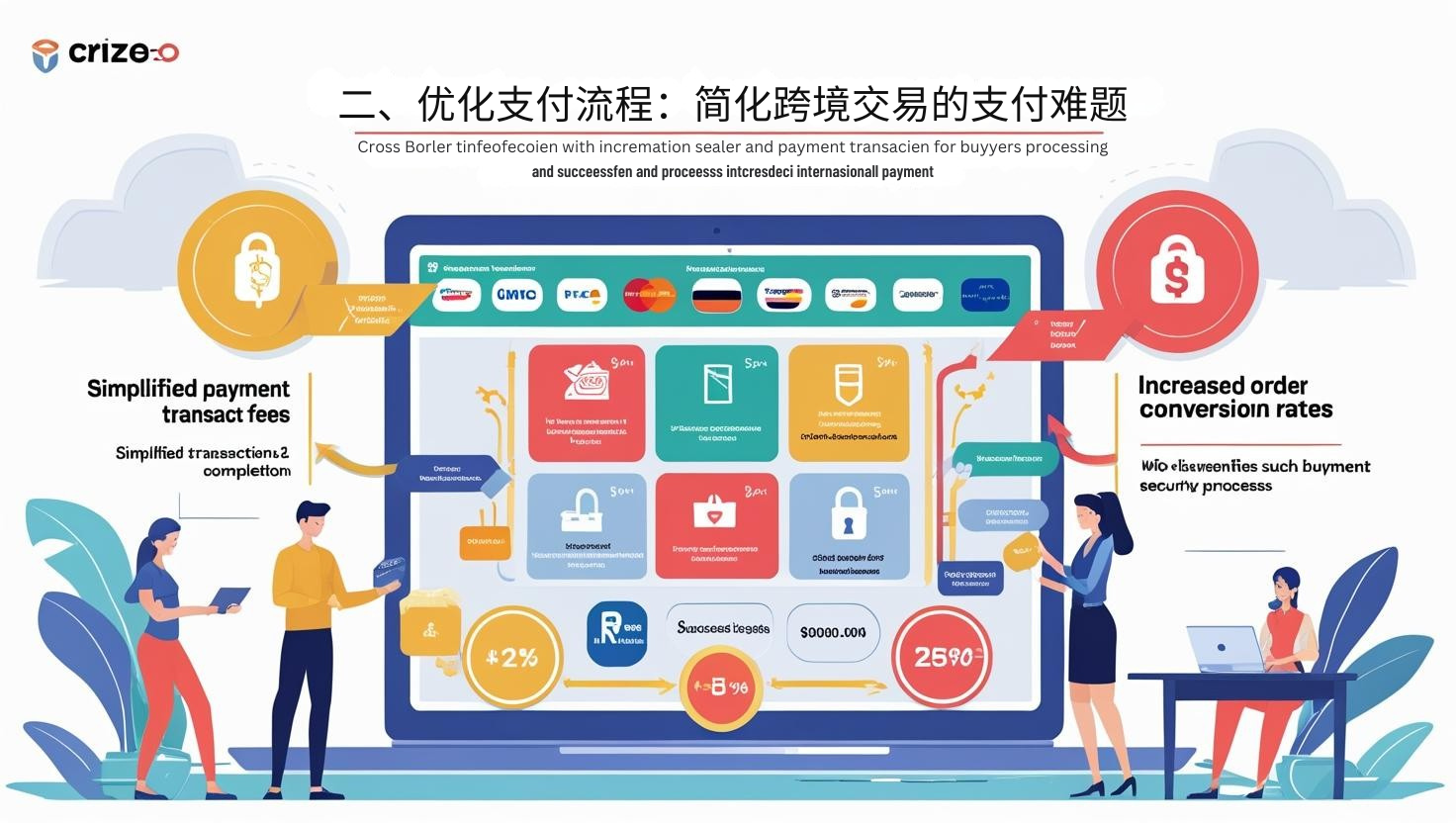
II. Optimizing Payment Processes: Simplifying Payment Challenges in Cross-Border Transactions

  • Provide global payment methods: Supporting multiple payment methods, such as PayPal, credit cards, AliPay, and WeChat Pay, ensures convenient payment for cross-border customers and reduces shopping abandonment due to payment restrictions.

  • Simplify tax and duty calculations: Cross-border e-commerce customers often have concerns about taxes and duties. Providing clear tax calculations and estimates on your website can effectively alleviate customer concerns and boost their purchasing confidence.

Data shows that over 40% of consumers abandon purchases due to payment inconvenience when shopping on cross-border e-commerce platforms [Source: Statista]. Therefore, providing convenient payment options is key to increasing sales.
III. Strengthening SEO and Content Marketing: Improving Website Visibility and Traffic

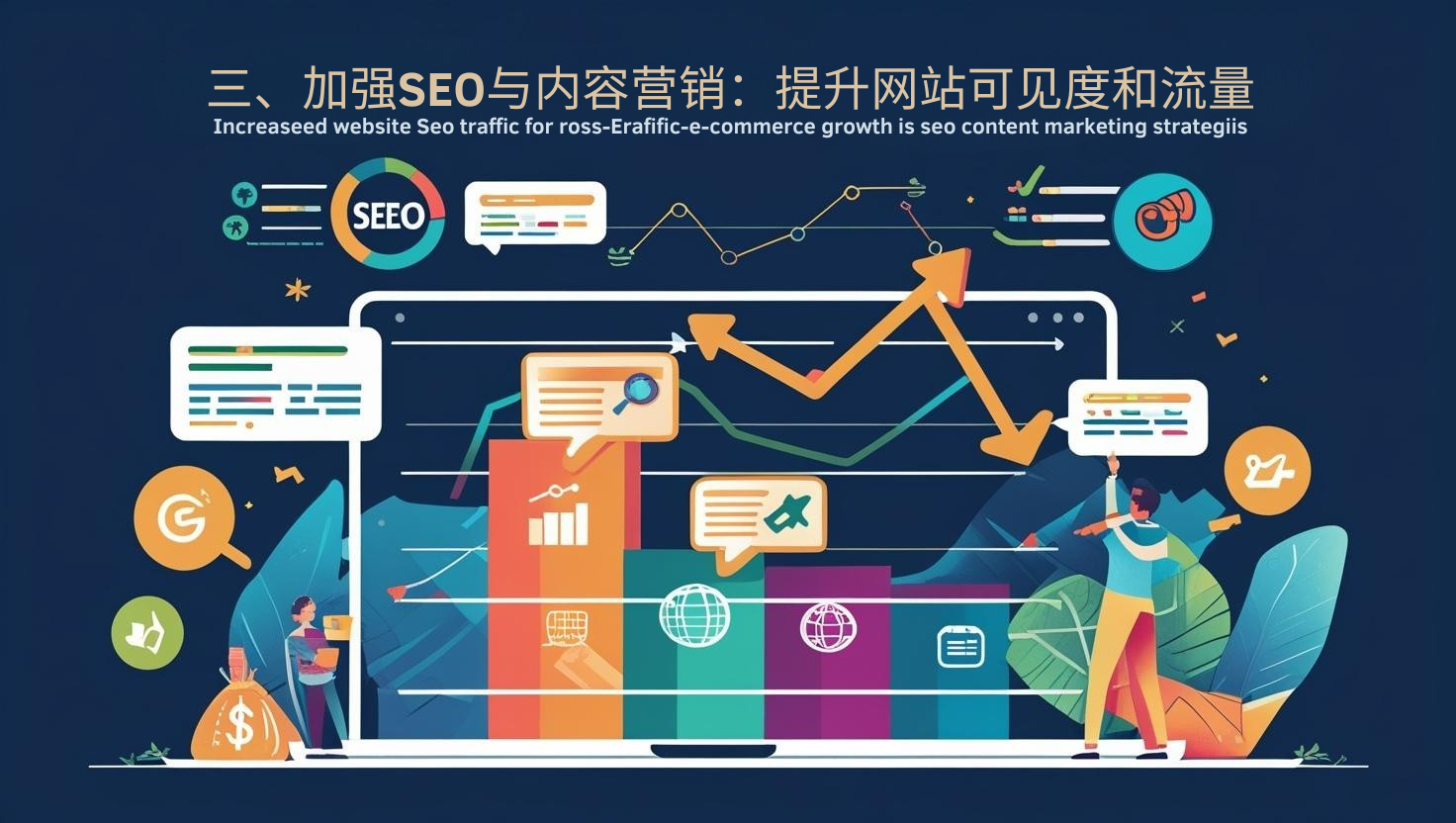
III. Strengthening SEO and Content Marketing: Improving Website Visibility and Traffic

  • Keyword Optimization: Using AI tools and market research, select long-tail keywords relevant to your target market and appropriately embed them in your product descriptions, blog content, and page titles to effectively improve search engine rankings.

  • Content Marketing: Creating valuable content that provides industry-related information, product tutorials, and customer case studies can attract more targeted traffic and strengthen customer trust in your brand.

According to HubSpot research, content marketing can increase a company's search engine traffic by over 55% [Source: HubSpot]. Therefore, a well-executed content marketing strategy can significantly increase traffic to your cross-border e-commerce website, thereby driving sales growth.
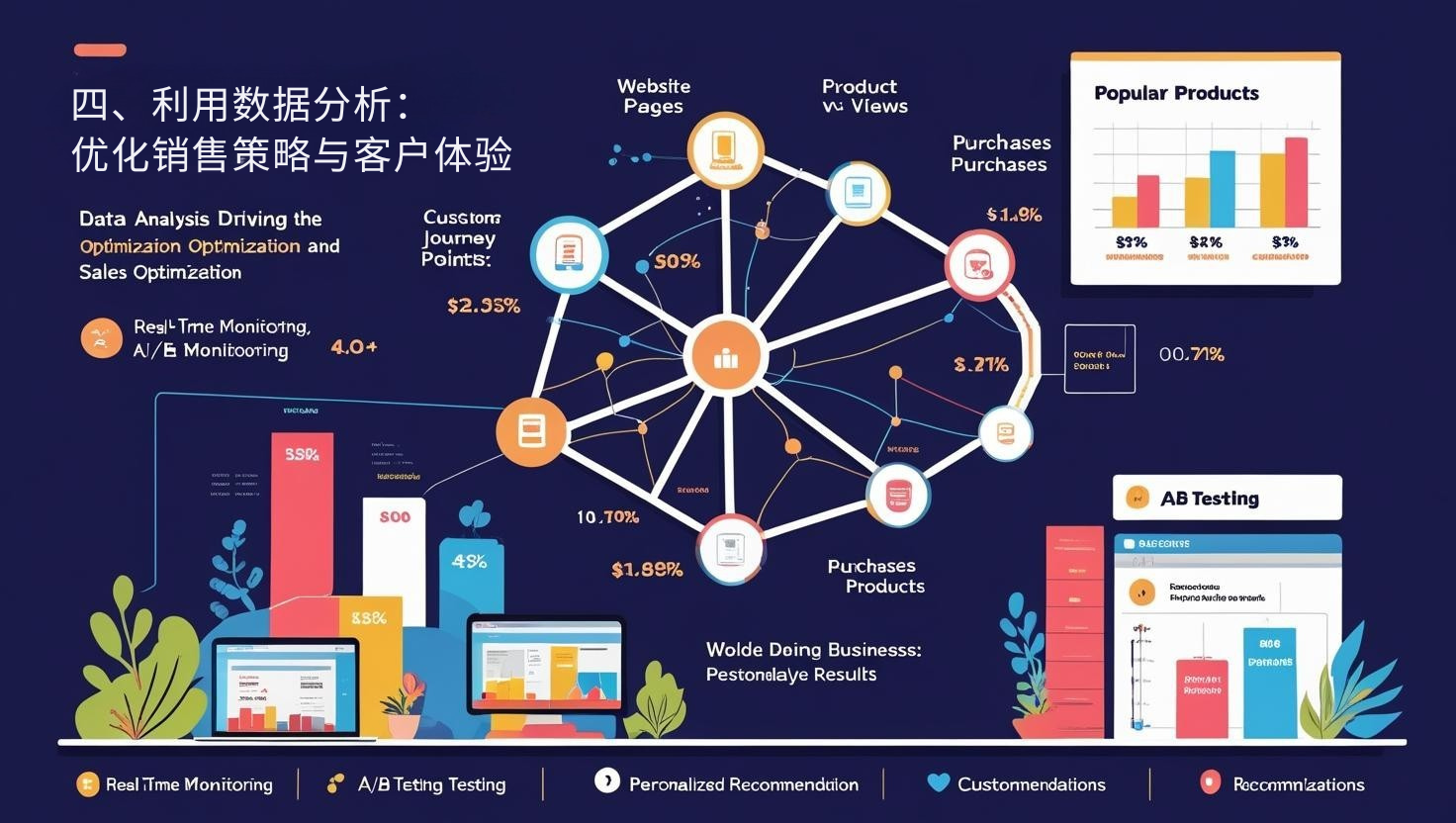
IV. Leveraging Data Analysis: Optimizing Sales Strategies and Customer Experience

IV. Leveraging Data Analysis: Optimizing Sales Strategies and Customer Experience

  • Utilize A/B testing: By A/B testing different pages, promotions, and product descriptions, businesses can identify the most effective marketing methods and optimize sales strategies.

  • Customer Behavior Analysis: By analyzing customers' browsing history, purchasing habits, and search keywords, companies can tailor product recommendations based on their interests and needs, thereby increasing conversion rates.

  • Conclusion: Website Development for International Trade Helps Increase Sales

    By optimizing the website development platform and improving the website's user experience, payment convenience, SEO ranking, and data analysis capabilities, companies can effectively increase cross-border e-commerce sales. In the fiercely competitive global e-commerce market, optimizing your website for international trade not only enhances the customer experience but also promotes the internationalization of your brand and achieves higher sales conversion rates.

    By implementing these strategies, cross-border e-commerce companies will be able to gain a competitive advantage in the global market and drive sustained sales growth.


    特色博客
    Agricultural Product Foreign Trade Website Construction: Visual Presentation of Organic Certification and Traceability Information

    Agricultural Product Foreign Trade Website Construction: Visual Presentation of Organic Certification and Traceability Information

    This article, based on the latest standards of the International Federation of Organic Agriculture Movements (IFOAM), systematically explains how agricultural product exporting enterprises can create transparent and trustworthy foreign trade websites through the construction of certification information visualization and traceability systems.

    Home Furnishings Export Website: Showcasing Lifestyle and Product Application Scenarios

    Home Furnishings Export Website: Showcasing Lifestyle and Product Application Scenarios

    This article, based on the latest research from the International Home Furnishings Design Association, systematically explains how to create a home furnishings export website that resonates emotionally by deeply integrating life scenarios with product applications.

    Building an international website for automotive parts: Effectively conveying OEM compatibility information

    Building an international website for automotive parts: Effectively conveying OEM compatibility information

    This article, based on the latest standards from the Society of Automotive Engineers (SAE), systematically explains how automotive parts companies can build technical trust with overseas buyers by showcasing professional compatibility information.

    Website building for the building materials industry's international trade: Methods for showcasing project cases and product specifications

    Website building for the building materials industry's international trade: Methods for showcasing project cases and product specifications

    This article, based on the latest research from the International Building Materials Association, systematically explains how to enhance the international competitiveness of building materials companies through in-depth packaging of project cases and structured presentation of technical parameters.

    Website Building for Medical Device Export: Techniques for Showcasing International Certifications and Product Descriptions

    Website Building for Medical Device Export: Techniques for Showcasing International Certifications and Product Descriptions

    This article, based on the latest requirements of international medical device regulatory agencies, systematically explains how to build a professional and reliable medical device foreign trade platform through standardized certification display and technical document management.

    Compliance requirements for foreign trade website building for food import and export enterprises

    Compliance requirements for foreign trade website building for food import and export enterprises

    This article, based on the latest research from the International Food Trade Association, systematically elaborates on the seven key compliance areas that food import and export companies need to focus on during the website construction process and corresponding strategies.