In today's fiercely competitive e-commerce landscape, personalized content display has become a key strategy for independent websites to improve user experience and conversion rates. According to authoritative research, independent websites that adopt personalized display have an average conversion rate increase of 40% and user retention time increased by 65%. However, surveys show that currently, less than 20% of independent foreign trade websites have deployed comprehensive dynamic content systems, indicating that most companies have yet to fully tap into the commercial value of this technology.
 The core value of personalized display
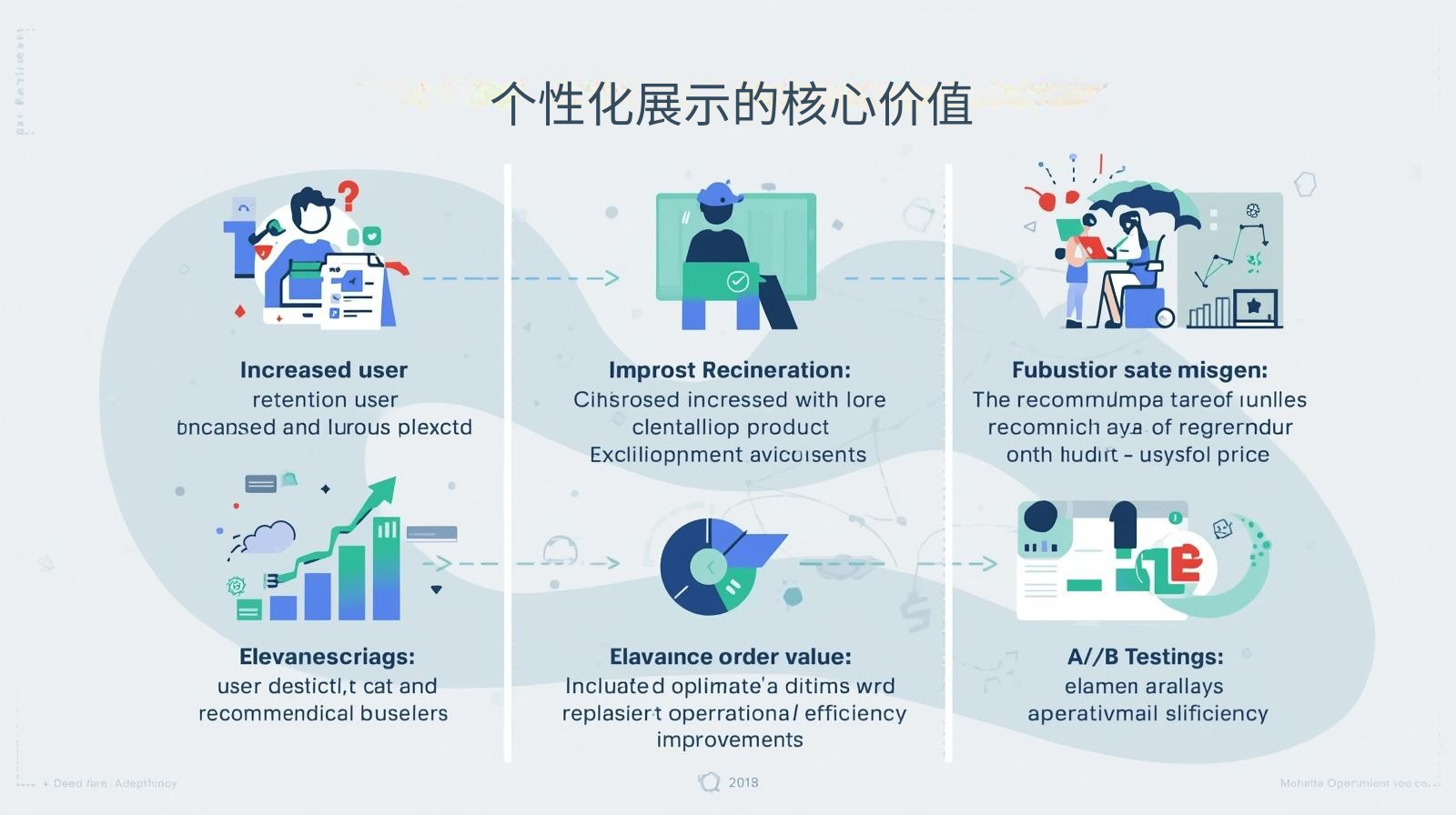
Personalized content display can bring multiple business advantages to independent websites. First, it can significantly increase user engagement. By displaying content that matches user interests, it can effectively extend user stay on the website. Second, personalized recommendation systems can improve conversion rates. Data shows that product recommendations tailored to user behavior can increase add-to-cart rates by over 50%. Furthermore, personalized methods such as dynamic pricing strategies can help increase average order value.
From a data asset perspective, implementing a personalized display system can continuously accumulate valuable user behavior data, which in turn optimizes recommendation algorithms, forming a virtuous cycle. At the same time, through dynamic A/B testing, the conversion path across the entire site can be continuously optimized, improving overall operational efficiency.
Key technology implementation solutions
The key to achieving personalized display lies in building a comprehensive user profiling system. This requires collecting and analyzing multi-dimensional user data, including basic attributes such as region, device, and language preferences, behavioral data such as browsing paths and duration, and transaction characteristics such as past purchase history and price sensitivity. This data can be used to assign various tags to users, enabling precise content matching.
In terms of recommendation algorithms, there are three main commonly used methods: collaborative filtering algorithm is suitable for new user cold start scenarios and has low computational complexity; content similarity recommendation is good at processing long-tail products; and deep learning algorithm can discover complex correlations across categories. Although the computational cost is high, it has the best effect.
There are also many options for content delivery technology, from front-end dynamic rendering to edge computing processing, and then to hybrid rendering solutions. Each method has its applicable scenarios and advantages and disadvantages, and needs to be selected based on specific business needs.
 Implementation path recommendations
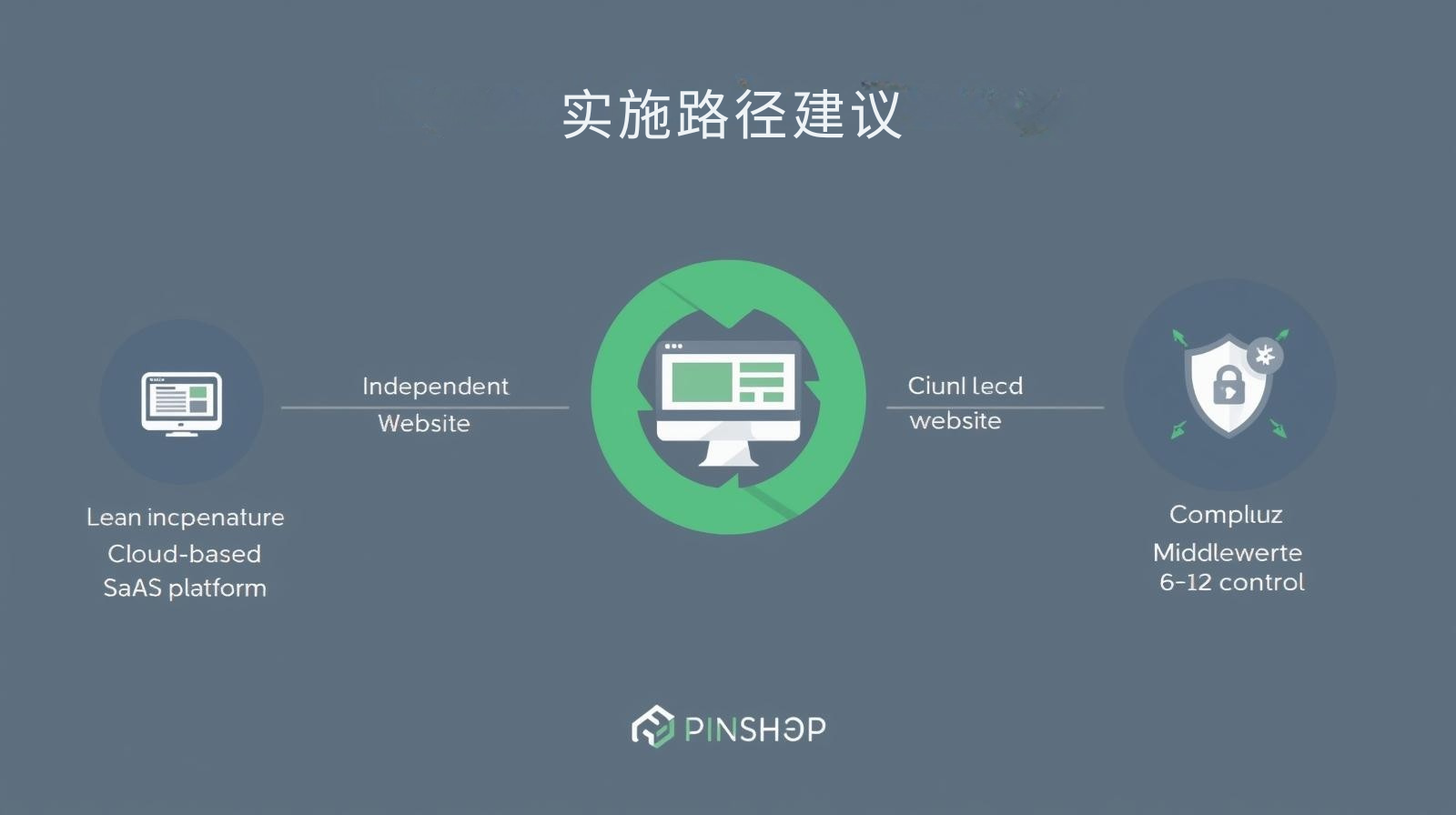
For independent sites with limited resources, consider adopting a mature SaaS platform solution, which can be quickly launched and typically see results within a week. For large independent sites with strong technical capabilities, building their own algorithm platform can take 6-12 months, but it provides complete control over the data.
The intelligent solution provided by Pinshop combines the advantages of both. It has the convenience of plug-and-play, guarantees data sovereignty, and supports real-time AB testing. It is an ideal choice for most independent sites.
Professional solution recommendation
Pinshop's dynamic content system includes multiple core components: a real-time user behavior analysis engine that captures every user interaction; a multi-algorithm recommendation platform that ensures recommendation accuracy; a visual rule configuration interface that allows operators to easily adjust strategies; and a strict data management system that ensures compliance with privacy regulations such as GDPR.
Visit Pinshop's official website now to start your new era of smart marketing!
Recommended related articles: Multilingual Independent Station Strategy: Balancing Localization and Internationalization