
The value of multilingual website construction to foreign trade companies
With the development of global trade, export companies are facing customer demands from multilingual and multicultural markets. According to data from the International Trade Center (ITC) , approximately 72% of cross-border buyers prefer to visit websites in their local language to make purchasing decisions. Multilingual website development not only enhances the customer experience but also significantly increases conversion rates and brand trust.
With multilingual websites, companies can provide localized content in different countries, meeting the information needs of potential customers and reducing communication costs. For foreign trade companies looking to quickly enter new markets, this is the first step toward achieving a global presence.
Strategic Planning: How to Efficiently Implement Multilingual Website Development
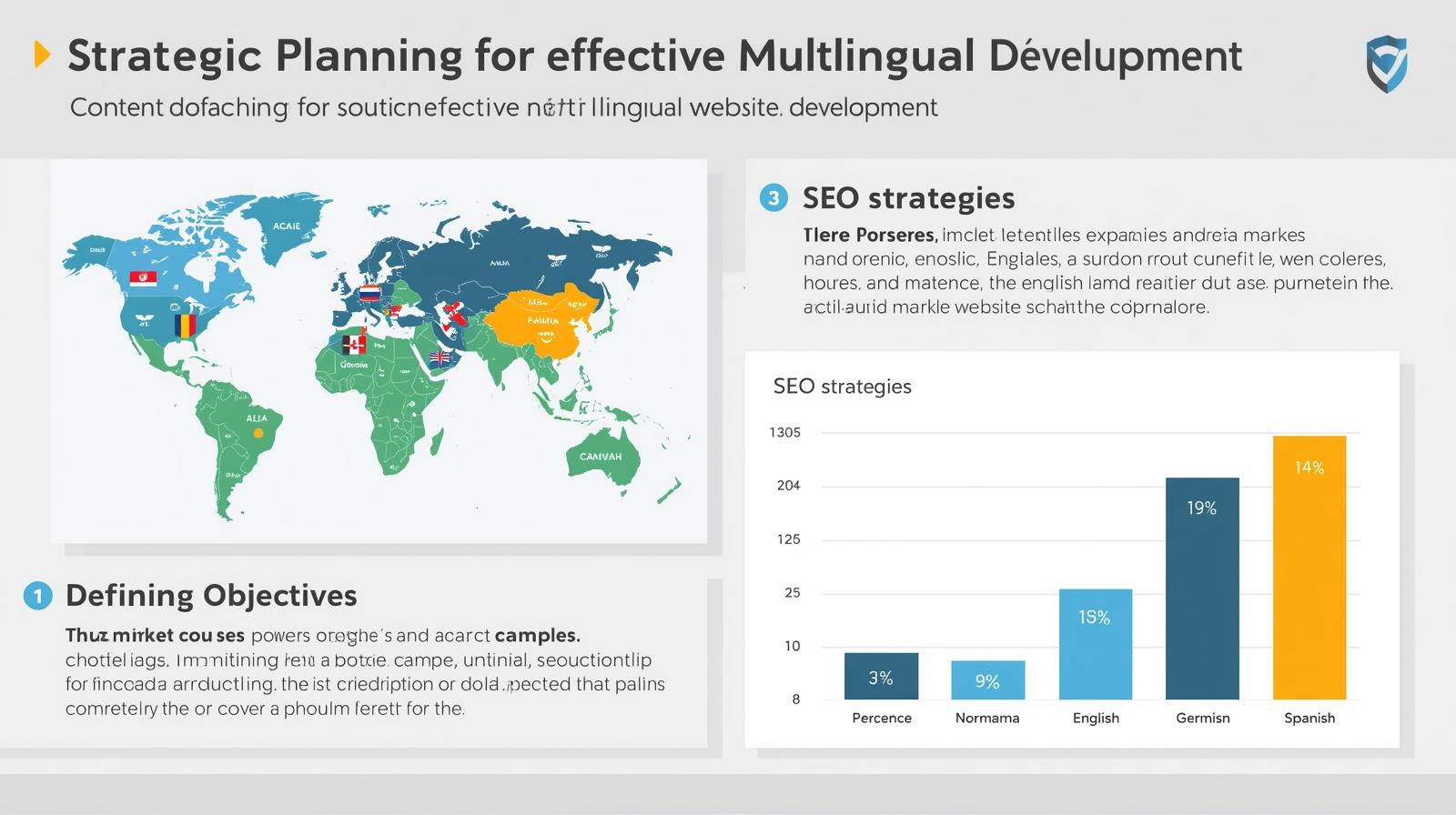
Efficient multilingual website development requires a clear strategy encompassing content, SEO, and user experience. First and foremost, content localization is crucial. This encompasses not only language translation but also optimization based on local culture and industry practices. For example, product descriptions for the European market might emphasize environmental friendliness and quality, while those for the Southeast Asian market might prioritize price and delivery time.
Secondly, SEO strategies cannot be ignored. According to Google Developers , multilingual websites should use subdomains or subdirectories to distinguish different language versions, and set up independent metadata, sitemaps, and hreflang tags for each page to improve search engine visibility and traffic acquisition efficiency.
Finally, clarifying website goals and key market language combinations, such as English, German, and Spanish, can ensure maximum resource investment and market returns.
Key points of technology implementation and optimization
Technical implementation is key to successful multilingual website development. Companies can choose a website development platform that supports multilingual management, such as Pinshop. This platform can be combined with automated SEO tools to quickly deploy multilingual pages and maintain content consistency.
The following points should be noted during implementation:
Mobile optimization : Ensure that multilingual pages display consistently on mobile phones and tablets, improving the access experience.
URL and domain name strategy : Use subdomains (en.example.com) or subdirectories (example.com/en) to differentiate language versions to facilitate search engine indexing.
Monitoring and data analysis : Continuously optimize content and layout through visit volume, bounce rate and conversion rate data.
In addition, companies also need to ensure the loading speed, navigation logic and functional integrity of multilingual pages to improve user satisfaction and conversion efficiency.
Global layout and long-term value
Multilingual website development not only serves current marketing needs but also lays the foundation for a company's long-term international development. According to data from the World Trade Organization (WTO) , companies that implement multilingual website development have a 40% higher success rate in overseas market expansion than those that don't.
Through multilingual websites, companies can establish brand trust in their target markets, form a stable overseas customer base, and lay a solid foundation for subsequent cross-border e-commerce, distribution channel expansion, and international cooperation.
Practical advice: Tips for implementing multilingual website building
When implementing multilingual website construction, foreign trade companies can refer to the following practical tips:
Use the Pinshop website building platform to quickly build multilingual pages and optimize content with automated SEO tools.
Select appropriate language combinations for core markets, such as English, French, and Spanish, to cover major customer groups.
Regularly analyze page access data and conversion rates in each language, optimize content and page layout, and improve ROI.
Adopt localized marketing strategies, such as designing exclusive pages for festivals, culture, and promotions in different markets, to increase customer stickiness.
Through systematic, multilingual website construction, companies not only increase overseas traffic and customer conversion rates, but also lay a solid foundation for their globalization strategy.
CTA (Call to Action):
Want your foreign trade company to quickly build a multilingual website and efficiently expand overseas markets? Experience the Pinshop website building platform now and start a new chapter in your company's global layout, achieving both brand and sales growth!

【Extended Reading】