

Cross-border Payment Integration Guide for Foreign Trade Website Building

  • The foundation of independent station construction
  • Independent station technology optimization
  • Independent website marketing and promotion
  • Independent website operation strategy
  • Foreign trade stations
Posted by 广州品店科技有限公司 On Sep 27 2025

I. The Importance of Cross-border Payments

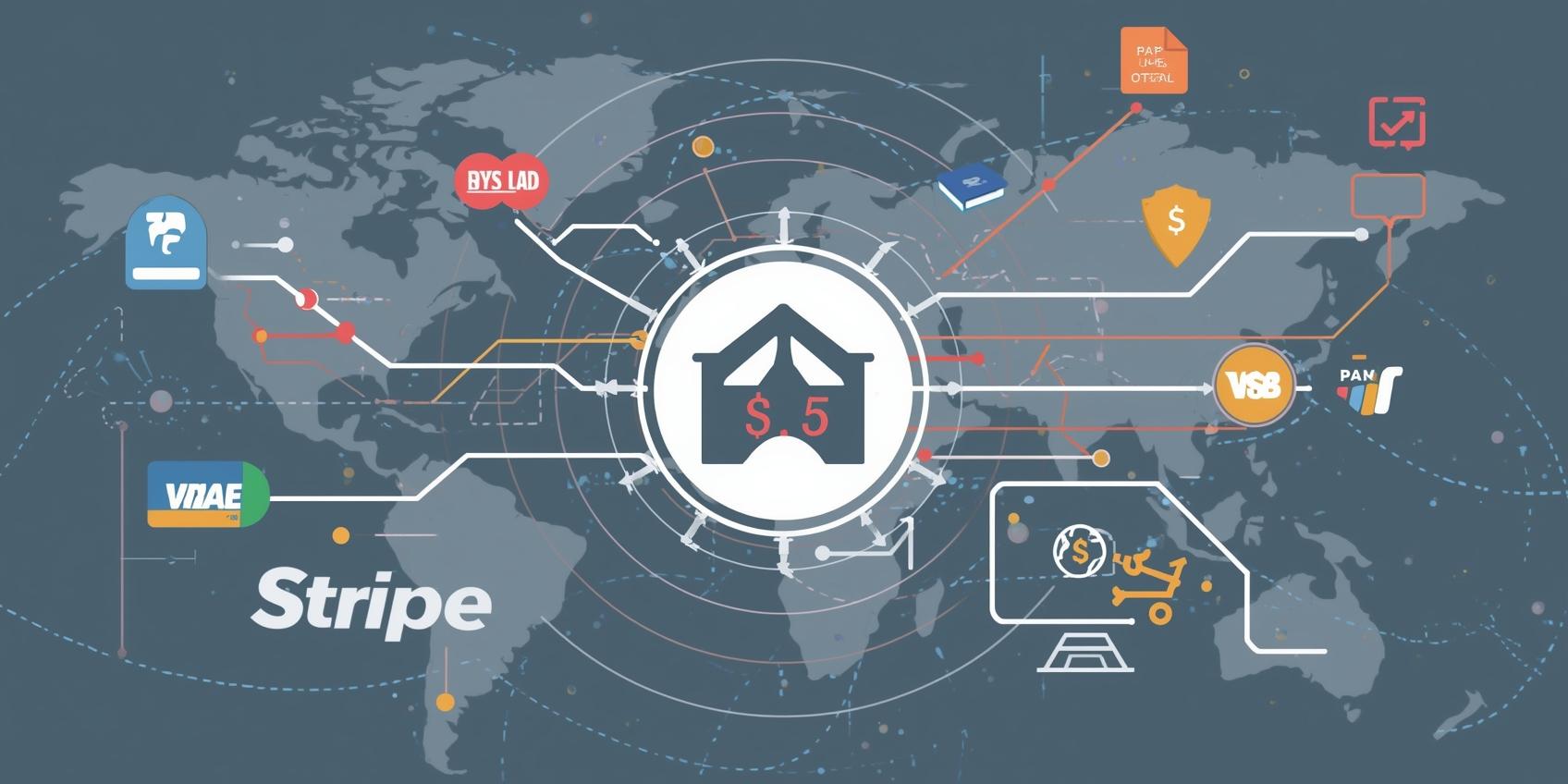
In global trade, cross-border payments are an indispensable part of building an international trade website. According to data from the International Trade Centre (ITC) , convenient and secure payment methods directly impact customers' willingness to place orders and conversion rates. By integrating multiple currencies and payment methods through an international trade website platform, businesses can reduce barriers to cross-border transactions, improve user purchasing experience, and increase order completion rates.
II. Multi-currency and Payment Gateway Selection

II. Multi-currency and Payment Gateway Selection

Choosing the right payment gateway is crucial for the smooth implementation of cross-border payments. CECA points out that gateways supporting major currencies such as USD, EUR, and GBP, and compatible with credit cards, PayPal, Stripe, and local payment methods, can meet the needs of customers in different markets. When building an international trade website, businesses should select a payment gateway based on target market analysis to ensure a stable and secure transaction process.

III. Payment Security and Risk Management

Payment security is a core issue in cross-border transactions. ISC research shows that SSL certificates, two-factor authentication, anti-fraud systems, and real-time transaction monitoring can effectively prevent payment fraud and data breaches. Foreign trade website platforms should integrate these security mechanisms to protect the funds and information of businesses and customers, thereby enhancing customer trust.

IV. Settlement and Financial Management Optimization

IV. Settlement and Financial Management Optimization

An efficient settlement system can reduce business operating costs. According to GEA data, automated settlement functions, real-time reconciliation, and currency conversion services help businesses quickly process order revenue and optimize cash flow management. Foreign trade website platforms should provide features such as integration with bank accounts, e-wallets, and financial statement generation to achieve seamless integration of payment processes and financial management.

V. Integrating Cross-Border Payment and Marketing Strategies

Cross-border payments are not only a transaction tool but also part of a marketing strategy. Through data analysis and user behavior tracking, businesses can optimize payment processes, customize promotional activities and membership point strategies, and improve customer loyalty and repeat purchase rates. Foreign trade website platforms that integrate payment and marketing functions can form a complete sales loop, achieving global market performance growth.


By implementing scientific cross-border payment access solutions, businesses can improve payment experience, security, and settlement efficiency, thereby enhancing their competitiveness in the international market.

Easily integrate with multi-currency payment systems and build an efficient and reliable global trading website using the Pinshop website building platform .

特色博客

Tag:

  • Independent station
  • Independent website marketing strategy
  • Independent website promotion channels
  • Independent station technology construction
  • Independent website content planning
分享
特色博客
10 essential elements for a high-conversion foreign trade website in 2024

10 essential elements for a high-conversion foreign trade website in 2024

This article breaks down 10 key elements validated by global companies and uses key technologies such as neural machine translation, pre-configured customs rules, and dynamic trust infrastructure to address the pain points of conversion gaps and customer retention in emerging markets.

A Must-Read for Foreign Trade Website Building Beginners: A Complete Guide to Avoiding Pitfalls from Scratch

A Must-Read for Foreign Trade Website Building Beginners: A Complete Guide to Avoiding Pitfalls from Scratch

This article provides a website building framework that has been verified by 7,200 companies to avoid common pitfalls. Through practical strategies such as avoiding domain name traps, precise terminology, and customs clearance pre-configuration, it addresses common fatal mistakes and business risks for beginners.

Practical Guide to SEO Optimization for Foreign Trade Websites

Practical Guide to SEO Optimization for Foreign Trade Websites

This article provides an SEO optimization path verified by 6,800 companies. Through core strategies such as localized keyword matrix, hreflang cluster deployment, and trust infrastructure integration, it addresses the core pain points of dispersed language weight and poor local ranking.

Foreign Trade Website Content Operation Strategy

Foreign Trade Website Content Operation Strategy

This article breaks down the content operation path validated by 6,200 companies, and solves the core pain points of content fragmentation and conversion gap through strategies such as industry topic dominance, engineer community cultivation, and closed-loop data engineering.

How to integrate payment systems into foreign trade websites

How to integrate payment systems into foreign trade websites

This article provides a payment integration framework validated by 5,200 enterprises. Through practical strategies such as localized payment adaptation, real-time fraud interception, and compliant clearing architecture, it addresses the core pain points of high order abandonment rates and fund security.

Foreign trade website building and cross-border logistics system integration

Foreign trade website building and cross-border logistics system integration

This article provides a logistics integration framework validated by 5,800 companies, which addresses core pain points such as delay penalties and customer churn through solutions including a customs clearance pre-delivery system, a multi-country carrier API matrix, and a real-time tracking engine.