

The importance of multilingual website construction for export companies
As global trade continues to expand, export companies relying on single-language websites are finding it difficult to meet the needs of customers in diverse countries. According to data from the International Trade Center (ITC) , over 70% of cross-border buyers prefer to purchase from websites in their local language. Multilingual websites allow companies to provide localized content in different markets, enhancing user experience and brand credibility, thereby increasing customer conversion rates.
Building a multilingual website isn't just a tool for showcasing your products and services; it's a core component of a company's globalization strategy. With a multilingual website, companies can more accurately meet customer information needs while reducing overseas communication costs.
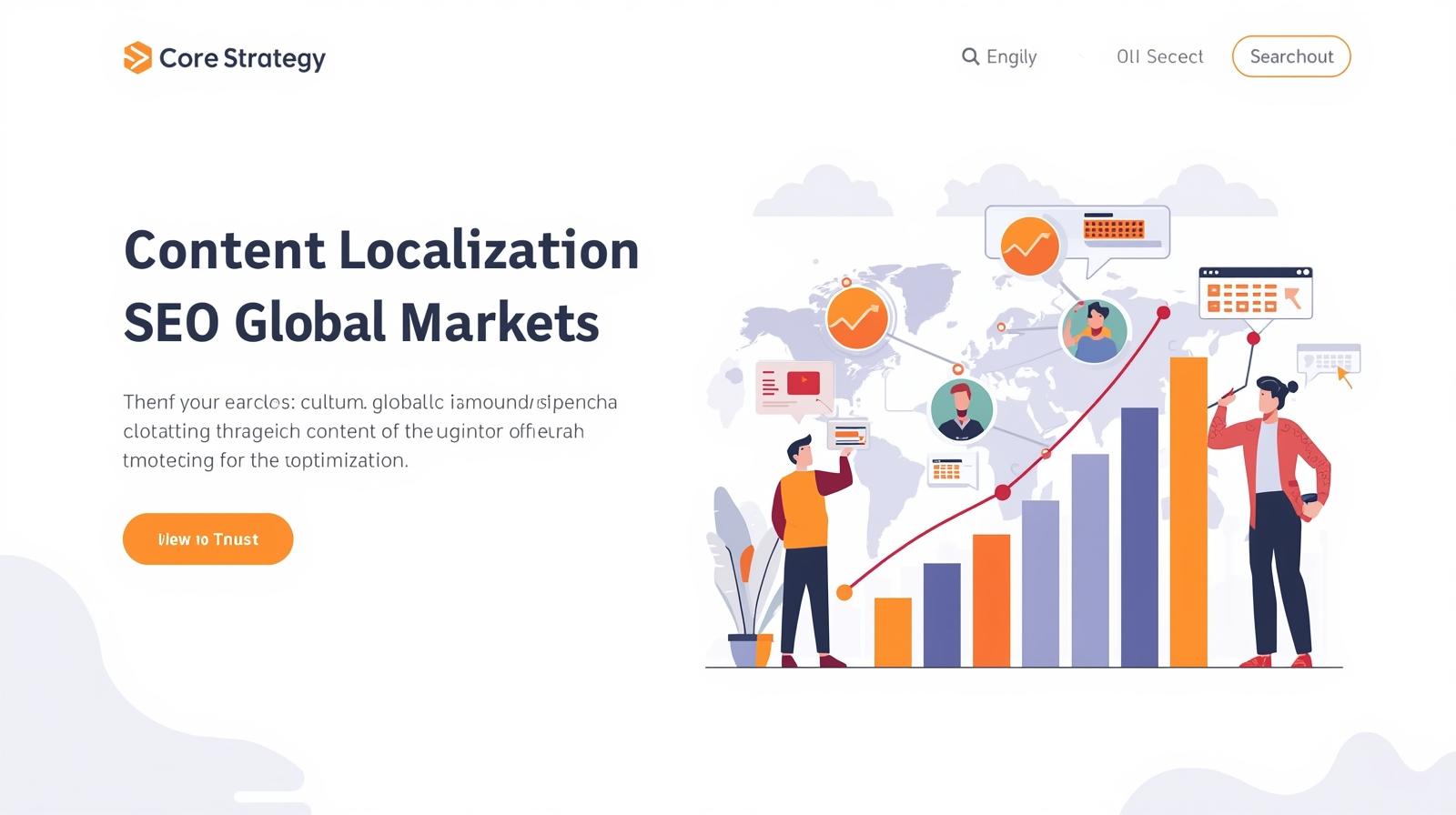
Core Strategy: Content Localization and SEO Optimization
Content localization is more than just simple translation. Exporting companies should adapt their content to the target market's culture, industry practices, and consumer preferences to ensure accurate and natural messaging. For example, the description of the same product in different countries may highlight different features or benefits.
Furthermore, building a multilingual website is crucial for SEO. According to Google Developers , multilingual websites need to have separate meta information, sitemaps, and URL structures for each language, such as subdomains (en.example.com) or subdirectories (example.com/en), to improve search visibility.
Through strategic planning, businesses can gain higher organic traffic in different markets around the world, increase brand exposure, and be more easily discovered by potential customers in search results.
Technical implementation and precautions
Successful multilingual website development requires technical support. Companies can use a website development platform that supports multilingual management, such as Pinshop, combined with automated SEO tools, to achieve rapid page deployment and content maintenance.
The following points should be noted during implementation:
Mobile optimization : Ensure that the loading speed and display effects of each language page are consistent on mobile phones, tablets and other devices.
Domain name strategy : Use subdomains, subdirectories or ccTLDs appropriately to facilitate search engine and user identification.
Data analysis and optimization : Continuously monitor the visits, bounce rates, and conversion rates of pages in each language, and adjust content and layout based on the data.
At the same time, companies should consider user experience and cross-language consistency when building websites to avoid information asymmetry or missing functions on pages in different languages.
The long-term value of multilingual website building for a company's global layout
Building a multilingual website not only helps with short-term marketing but also provides a solid foundation for a company's long-term international development. According to data from the World Trade Organization (WTO) , companies that enter new markets with a multilingual website have a 40% higher success rate in overseas market expansion.
By building multilingual websites, companies can enhance their brand's international image, improve customer loyalty, and form a stable overseas customer base, laying the foundation for future cross-border e-commerce, overseas distribution, or B2B business expansion.
Practical suggestions and implementation tips
When implementing multilingual websites, export companies can refer to the following practices:
Use the Pinshop website building platform to quickly build multilingual websites, and combine it with automated SEO tools to improve website building efficiency.
Select language combinations for core markets, such as English, German, Spanish, etc., to cover major overseas customer groups.
Regularly monitor access data, search rankings, and user behavior, optimize content, layout, and marketing strategies to ensure the long-term value of the website.
Through systematic, multilingual website construction, companies can not only increase overseas traffic and customer conversion, but also lay a solid foundation for brand globalization.
CTA (Call to Action):
Want to quickly build a multilingual website for your company and efficiently expand into overseas markets? Visit the Pinshop website building platform now to start your global website building journey and take the first step towards internationalization!

【Extended Reading】