

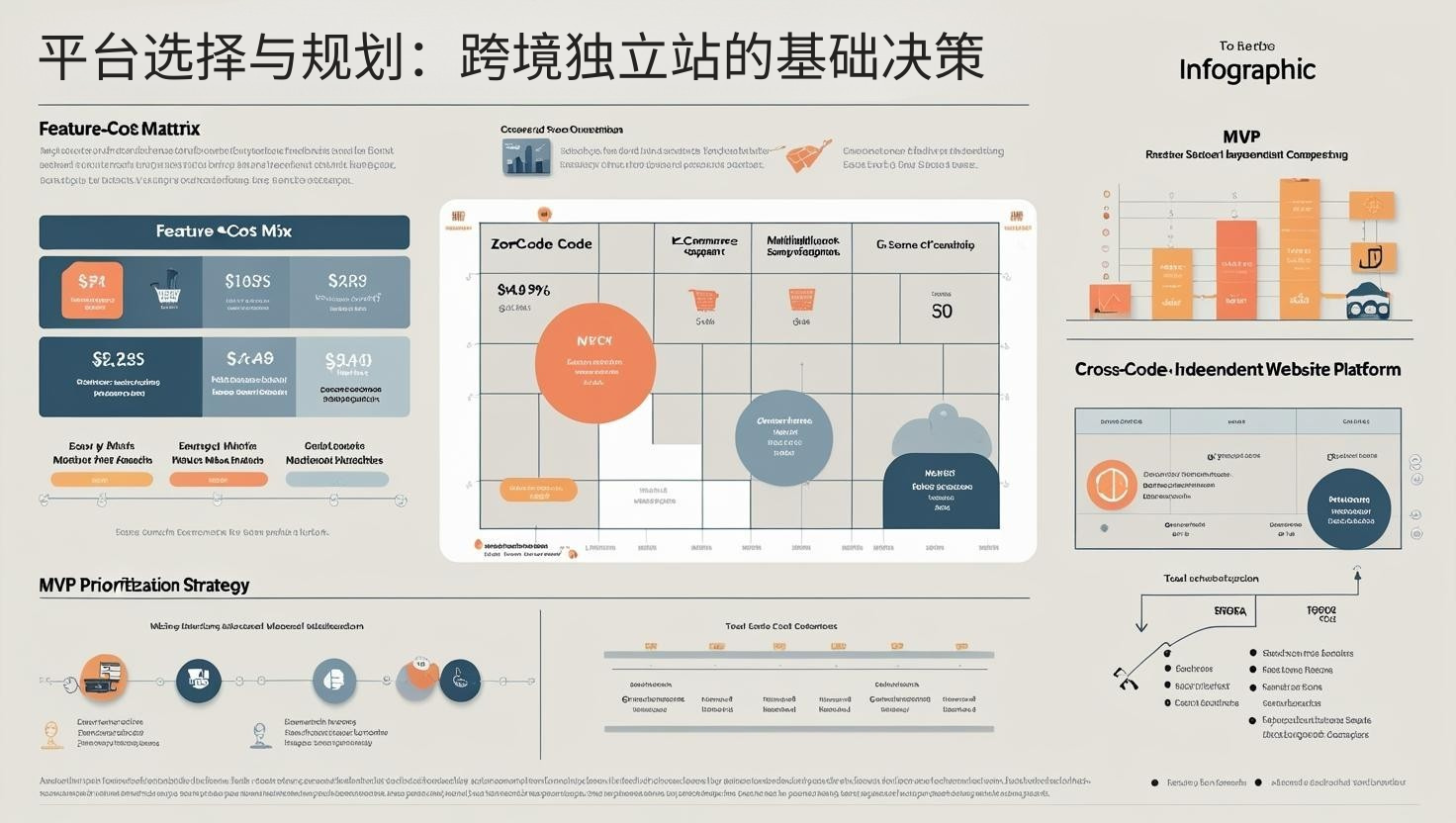
 Platform Selection and Planning: Fundamental Decisions for Cross-Border Independent Websites
Platform selection determines future possibilities. According to Shopify research, choosing the right website building platform can increase website building efficiency by approximately 82% while reducing ongoing maintenance costs by approximately 65%.
Choosing the Right Website Platform for Non-Technical Teams
-
Evaluation Criteria for Zero-Code Platforms: Analyze the learning curve and ease of use of different platforms; assess the intuitiveness and flexibility of the visual editor; examine the quality and quantity of international templates; research the platform's native support for multiple languages and currencies; consider the completeness of e-commerce functionality and cross-border features; evaluate the platform's scalability and integration capabilities; and pay special attention to global CDN and server distribution. A practical strategy is a "feature-cost matrix" analysis. By comparing key features with total cost of ownership, research shows that this systematic evaluation can reduce platform selection errors by approximately 45% and avoid high migration costs later.
-
Website Preparation and Resource Planning: Create a clear list of website goals and functional requirements; gather specifications for brand assets and visual elements; prepare product data and category structure; assess internal skills and external support needs; design a reasonable website development timeline and milestones; consider budget allocation and priority setting; and pay special attention to cross-departmental collaboration workflows. One effective approach is the "MVP Prioritization" strategy, which prioritizes the rapid launch of a minimum viable product. Research shows this approach can reduce initial launch time by approximately 58% while providing real-world market feedback to guide subsequent optimizations.
-
Technical Foundation and Domain Setup: Select and register a domain name that aligns with your brand; set up professional email and DNS configurations; consider SSL certificates and security infrastructure; evaluate hosting performance and global access speeds; plan a backup and recovery strategy; consider the availability and responsiveness of technical support; and pay special attention to regulatory compliance requirements in different markets. An often-overlooked but crucial strategy is "global speed testing," which measures access speeds in target markets. Research shows that every one-second increase in website load time can result in an approximately 7% decrease in conversion rates, making it particularly critical for international markets.
 Visual Design and Content Creation: Creating a Professional E-commerce Independent Website Image
Visual design determines user trust. According to the Stanford Web Credibility Research, 75% of users judge a company's professionalism based on its website design, and improved design can increase conversion rates by approximately 38%.
Create a Professional Image with Visual Tools
-
Template Selection and Brand Customization: Evaluate different templates for their industry suitability and conversion-oriented design; understand their responsiveness and mobile optimization; examine customization flexibility and the ability to incorporate brand elements; research page layout options and visual hierarchy adaptability; assess the cultural acceptance of design styles in international markets; consider the presentation requirements of different product types; and pay special attention to balancing global design trends with local aesthetic preferences. A professional strategy is "competitive benchmarking," which examines the design elements of successful competitors in your target market. Data shows that this approach can increase initial design acceptance by approximately 33%.
-
Visual Editor Mastery: Learn advanced drag-and-drop editor techniques and shortcuts; master the grid system and alignment tools to create balanced layouts; understand color theory and the application principles of your brand color palette; explore font hierarchy and text formatting to improve readability; master image optimization and visual content creation tools; learn the appropriate use of motion and interactive elements; and pay special attention to the differences in visual preferences across different cultural backgrounds. Research shows that even the correct application of basic visual design principles can increase user dwell time by approximately 40% and conversion rates by approximately 25%.
-
Product Display and Content Creation: Design professional product display formats and image standards; create compelling homepage sliders and promotional sections; develop clear product categories and navigation structures; master product description templates and information architecture; design trust elements and integrate social proof; create visual narratives that align with the target market's culture; and pay special attention to visual consistency and cultural adaptation of multilingual content. A highly effective strategy is "modular content design," creating reusable content blocks. Research shows that this approach can increase content creation efficiency by approximately 65% while maintaining brand consistency.
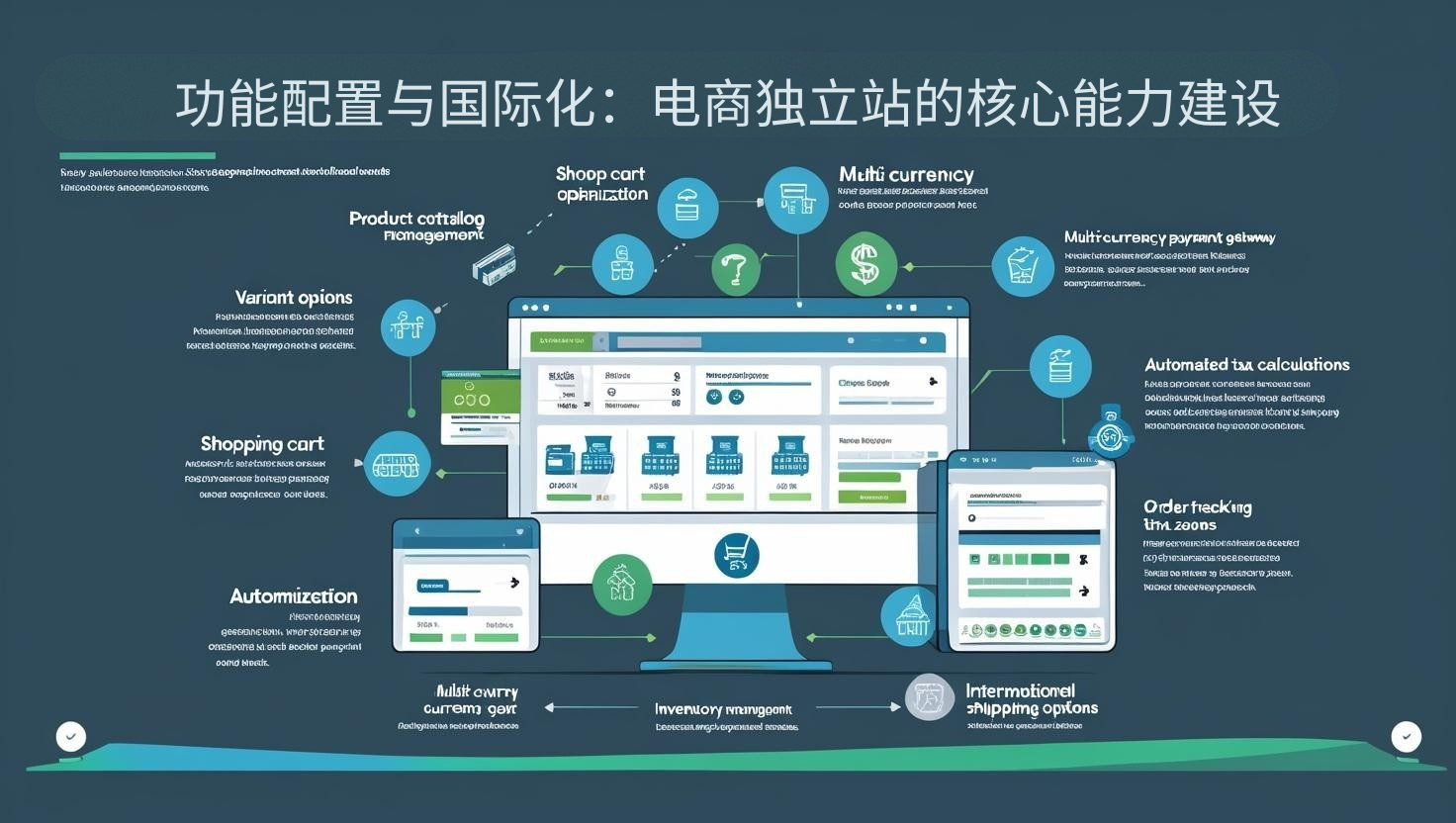 Functional Configuration and Internationalization: Building Core Capabilities for E-commerce Independent Websites
Functional completeness determines conversion rate. According to Internet Retailer, properly configured e-commerce features can increase purchase completion rates by up to 63%, especially in cross-border scenarios.
Achieving Professional Functionality through Plugins and Settings
-
Core e-commerce functionality configuration: Set up a product catalog and variant management system; configure shopping cart and checkout optimization; implement multi-currency payments and international payment gateways; set up automatic tax calculation and display rules; configure inventory management and out-of-stock handling; implement order tracking and status updates; and pay special attention to shopping habits and payment preferences in different markets. One practical tip is to streamline the checkout process by reducing unnecessary fields and steps. Research shows that this optimization can reduce shopping cart abandonment rates by approximately 28%, making it a high-return improvement that non-technical professionals can easily implement.
-
Internationalization and Localization Settings: Configure multilingual content management and automated translation tools; set up automatic currency conversion and exchange rate updates; implement location-based content and promotional displays; configure international shipping options and shipping rate calculations; set up region-specific legal compliance elements; implement time-zone-aware functionality and displays; and pay special attention to technical adaptations for cultural differences and regional preferences. Research shows that implementing basic localization features can increase conversion rates in international markets by approximately 75%, making it a key factor in cross-border success.
-
Marketing and Customer Relationship Tools: Configure email marketing and automated workflows; set up basic SEO optimization and metadata management; implement social media integration and sharing features; configure customer accounts and loyalty systems; set up live chat and customer support tools; manage reviews and user-generated content; and pay special attention to solutions for time zones and language challenges in global customer service. An effective strategy is to prioritize automation, prioritizing features that reduce manual operations. Data shows that this approach can reduce customer response times by approximately 62% while also reducing operational pressure.
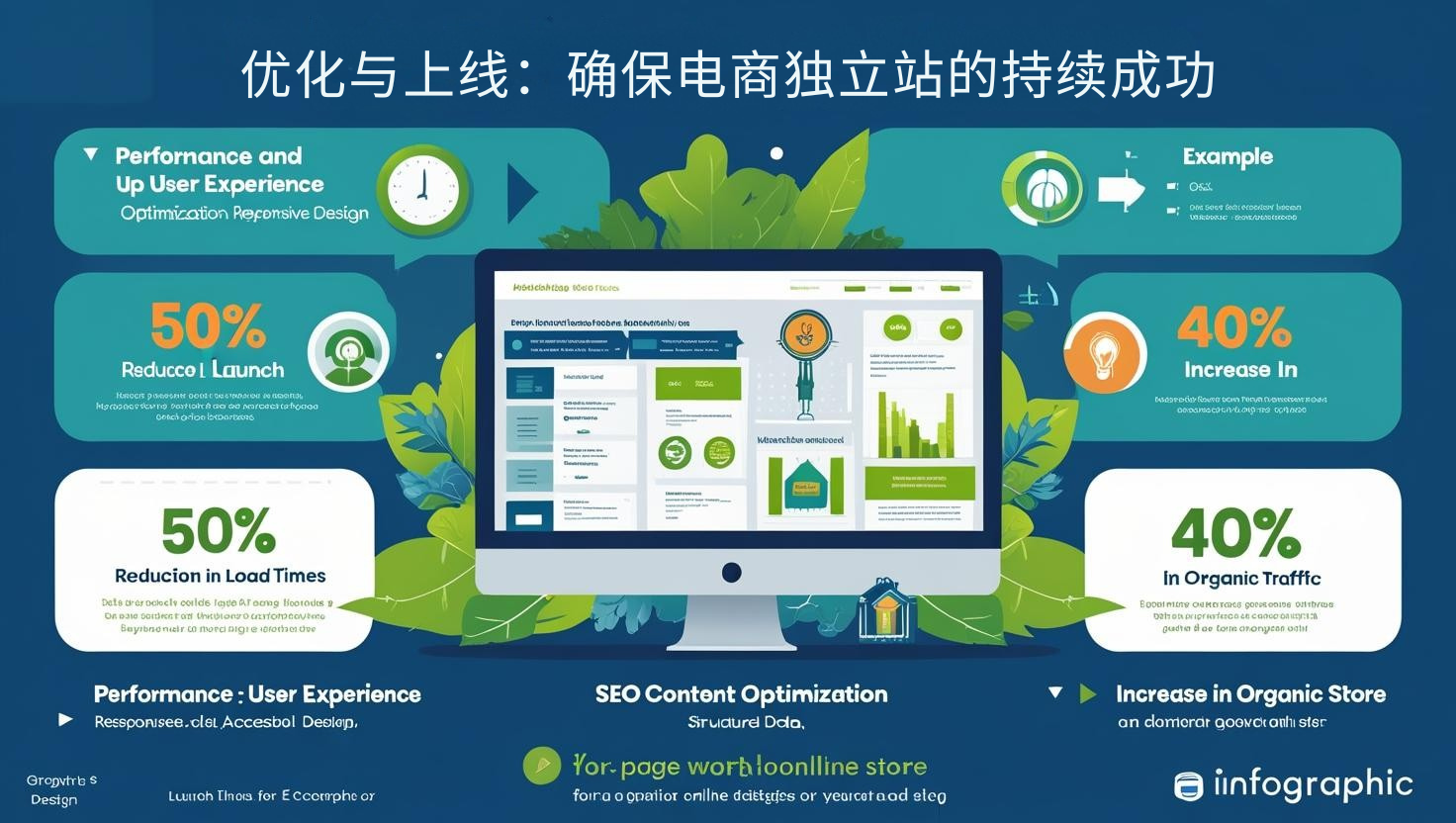 Optimization and Launch: Ensuring the Continued Success of an E-commerce Independent Website
Optimization determines long-term performance. According to research by the Baymard Institute, system optimization can increase e-commerce conversion rates by an average of 59%, while non-technical teams can achieve an increase of approximately 35% through visual tools.
Website Optimization Strategies with No Technical Requirements
-
Performance and User Experience Optimization: Use built-in tools to optimize images and media assets; test and improve mobile responsiveness and user experience; optimize page load speed and visual stability; check cross-browser compatibility and display consistency; ensure usability of forms and interactive elements; set up 301 redirects and URL structure; and pay special attention to international access speed and regional performance differences. A key technique is "image optimization automation," using platform tools to automatically process images. Studies have shown that proper image optimization can reduce page load times by approximately 50% and significantly increase conversion rates.
-
SEO and Content Optimization: Configure basic SEO settings and meta tag management; optimize product descriptions and category page content; set up internal linking structure and navigation optimization; implement structured data and rich results; configure multilingual SEO and international targeting; set up sitemaps and search engine submissions; and pay special attention to regional priorities and strategy adjustments for different search engines. Research shows that even basic SEO optimization can increase organic traffic by approximately 40%, making it a high-return investment that non-technical teams can easily implement.
-
Testing, Analysis, and Continuous Improvement: Configure analytics tools and conversion tracking; conduct simple A/B testing to evaluate different designs; monitor user behavior and heatmap analysis; set up key performance indicators and reporting dashboards; establish mechanisms for collecting feedback and identifying issues; create performance monitoring and error alert systems; and pay special attention to international market data differences and regional performance comparisons. A practical approach is "data-driven iterative improvement," making small changes based on real user data. Research shows that this incremental approach can increase long-term conversion rates by approximately 23%, making it more effective and less risky than a large-scale redesign.
With the increasing prevalence of global digital trade, technology is no longer a barrier for foreign trade companies to build professional e-commerce websites. Modern, no-code tools enable even teams with no technical background to quickly build fully functional, professionally designed cross-border e-commerce websites. The key lies in choosing the right platform, mastering the fundamentals of visual design, properly configuring core functionality, and continuously optimizing user experience and performance. This de-technical approach to website building not only significantly reduces costs and time investment, but also allows the business team to directly participate in and lead website development, ensuring that the final product truly reflects business needs and market characteristics.
Related article recommendations: https://pinshop.cn/zh-Hans/blog/what-is-independent-site-for-business